Ideas
8 Hobbies for Adults That Fit an Ordinary Week
Find something to do after work or on a free weekend without assuming you have a spare room, a large budget or unlimited energy.
By Hobby-ist Editorial Team · 6 min read · September 30, 2026
In this story
An evening can be free on the calendar and still feel full. Dinner needs making. The table has to be cleared. You would like to do something for yourself, but a new hobby can sound like another set of things to organize.
The useful question is which version of an activity fits that evening. Reading a short story and joining a monthly book group are different commitments. Drawing one object and setting up a painting studio ask different things of a home. Both small and ambitious versions count; they simply belong in different spaces in a week.
Here are eight concrete starting points. The suggested time blocks are planning examples, not promises about how quickly you will learn. Costs depend on what you already own and what is available locally. None of these requires a purchase through HOBBY-IST.
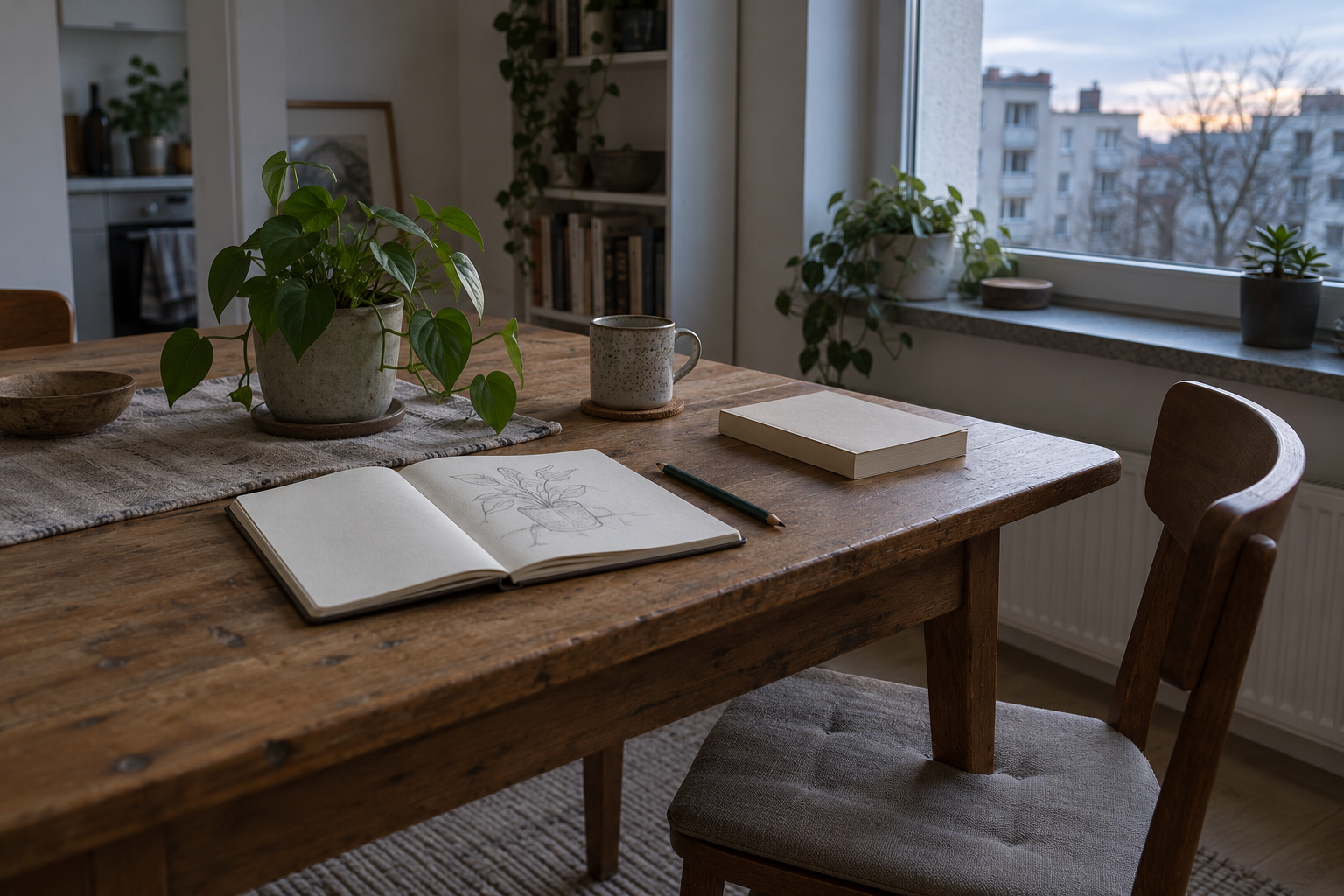
1. Object sketching for a small table
Try this: put a key, a spoon or a houseplant in front of you. Draw its outline, then draw it again from a different angle. Give yourself a short session that includes putting everything away. Leave the two versions on the same page so you can see what changed when you looked again.
Start with: paper and a pencil you already have. A dedicated sketchbook can wait until you know whether you enjoy returning to the page. Our small sketching-kit guide is useful if you later want a portable setup.
Watch for: letting the search for a subject use all your available time. Keep a short list of ordinary objects nearby. A familiar subject can give you more time to draw.
2. A reading notebook for a quiet evening
Try this: choose a short story or a chapter from a book you already own or can borrow. After reading, write one question and one observation in your own words. You are making a place for your response to the book, not producing a review on a deadline.
Start with: a book and a way to keep brief notes. If borrowing, check your library’s access and loan terms. There is no need to buy a stack of books before finishing one sitting.
Watch for: turning reading into a yearly quantity target that makes every evening feel late. A notebook can hold occasional entries. If you want company later, the question you wrote can become a conversation starter.
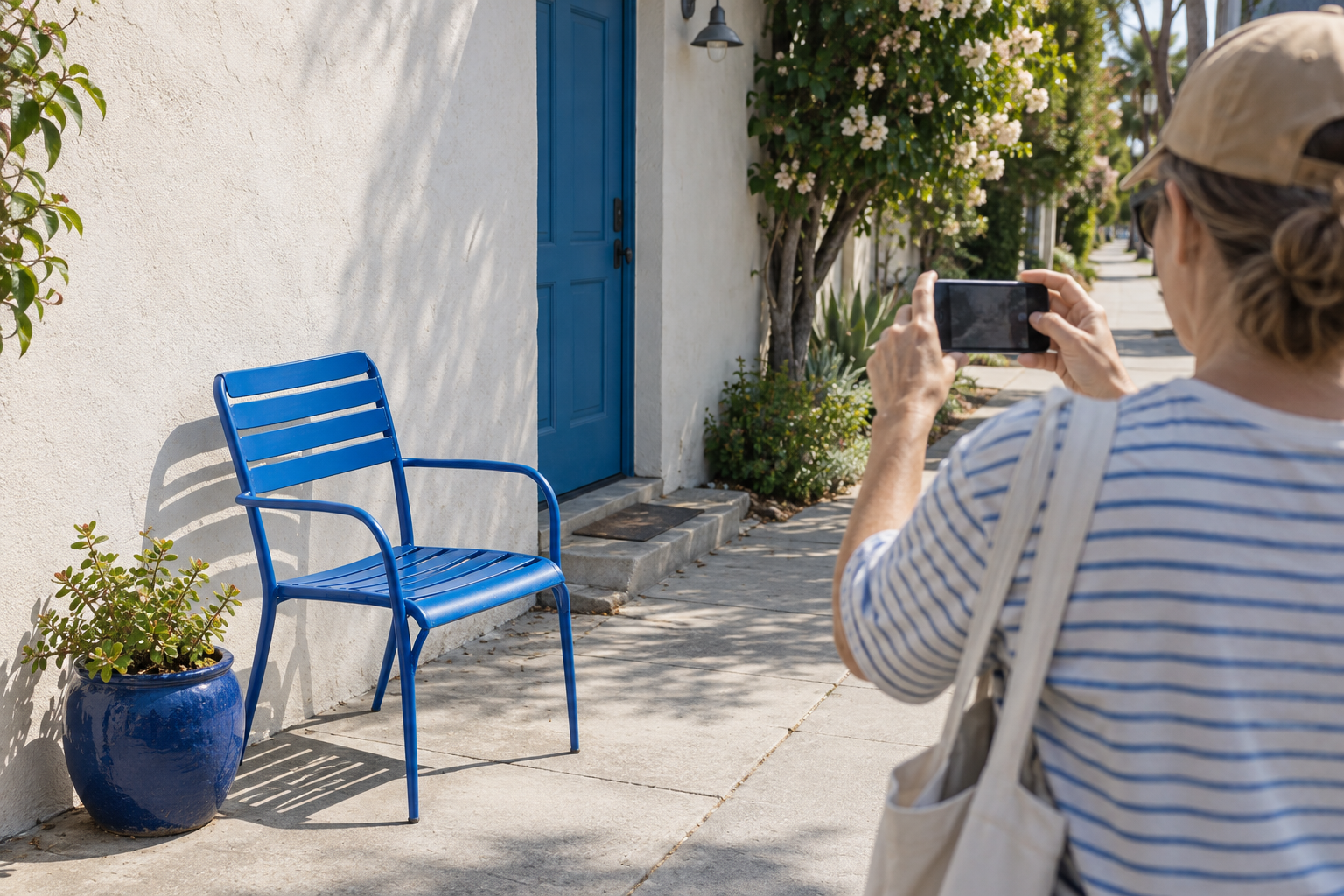
3. A photo walk for time already spent outside
Try this: add a theme to a familiar public route: door handles, reflections or one color. Use your phone, then choose three photographs afterward and note why you kept them. Taking and choosing are both parts of the activity.
Start with: a route you can comfortably manage and the camera you already carry. Leave space in the plan for returning home; a walk does not need a distant destination to feel deliberate.
Watch for: spending the whole outing preparing a post. You can keep the pictures privately. Our one-color photo walk gives this idea a more focused structure.
4. Bird observation for a slower outdoor pause
Try this: watch from one accessible public place for a short visit. Record movement, shape, sound or location before worrying about naming every bird. “Small bird moving along the fence” is a valid first note.
Start with: your attention and a notebook or phone. You can decide about binoculars after a few outings; our first binoculars guide explains what to compare if you reach that stage.
Watch for: choosing a site that is awkward to revisit. Check access and opening hours, keep to permitted areas, and observe without approaching or disturbing wildlife. The point is to give an ordinary pause something to notice.
5. Hand mending for a project with a useful ending
Try this: practice one repair on a spare piece of fabric or a low-stakes item. A demonstration focused on the actual repair you need is more useful than trying to learn every sewing technique at once. If you are unfamiliar with needles, ask a class or experienced person to show you how to handle and store them.
Start with: a suitable needle, thread, scissors and fabric for practice. Save a valuable garment or a complicated tear for when you understand the technique or can get help.
Watch for: the supply list quietly growing into plans for a sewing room. One repair is a complete activity. Keep sharp tools securely stored, especially in shared spaces.
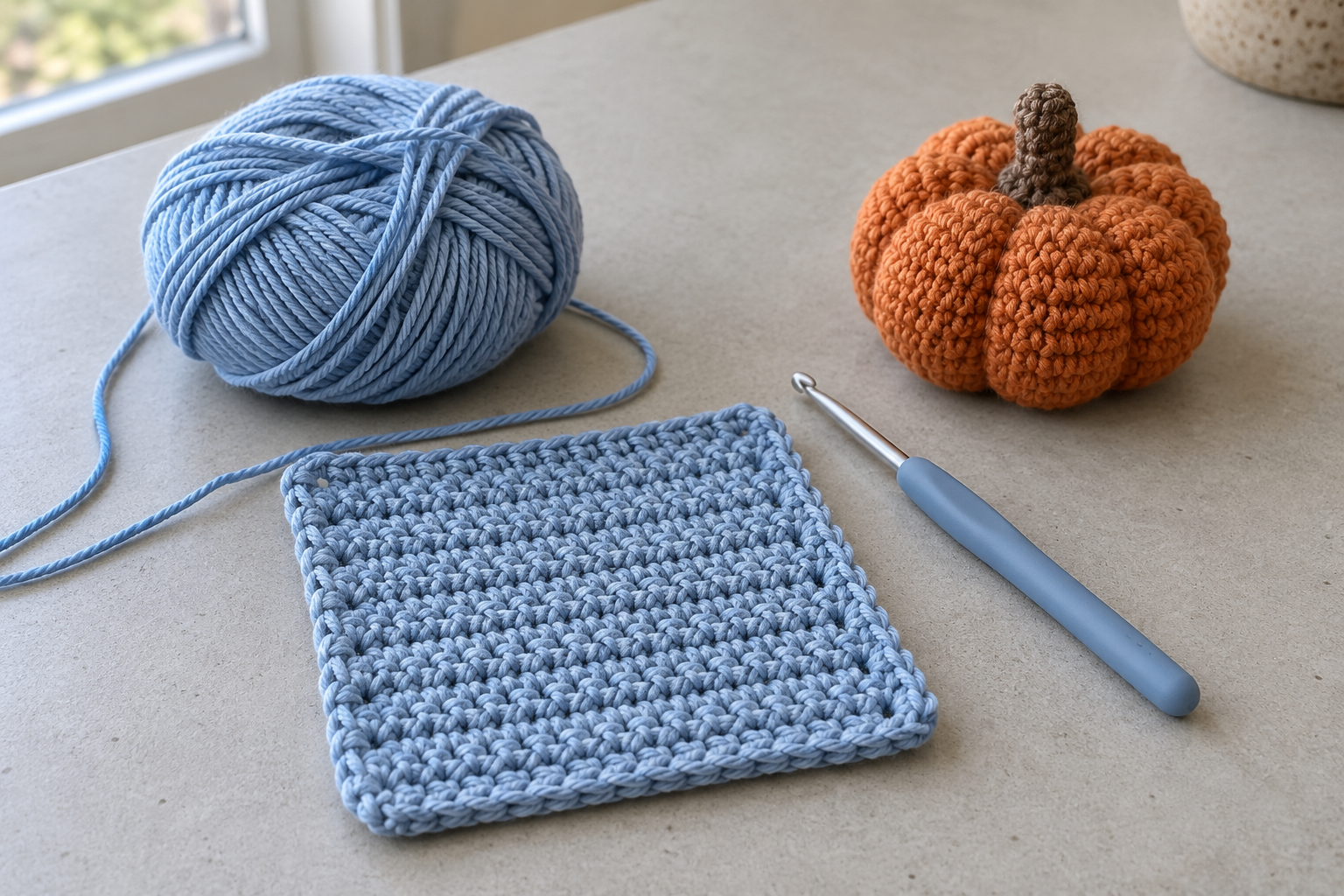
6. A small crochet project for hands-on time at home
Try this: follow one beginner lesson and work a practice piece, keeping the instructions beside you. Record the yarn, hook and place you stop so the next visit begins without a search.
Start with: the supplies specified by the chosen lesson. A small project can fit in a pouch, but the time needed to understand an unfamiliar movement still deserves room in your plan.
Watch for: buying yarn for several future projects before trying the first. If you are choosing between yarn crafts, our knitting-versus-crochet comparison explains the starting decisions.
7. A recurring board-game evening for company
Try this: arrange one game with people who know it, or find a beginner-welcoming group with a host who explains the rules. Ask about the expected finish time and whether solo newcomers can join before traveling there.
Start with: a borrowed or shared game. Let the first session tell you whether you enjoy the particular mix of conversation, competition and problem-solving before building a collection.
Watch for: a social plan that requires one person to organize everything every week. Agree on who hosts, teaches and brings the game. A monthly meeting may suit the group better than an ambitious weekly promise.
8. An introductory dance class for a scheduled change of scene
Try this: choose an explicitly introductory session in a style you are curious about. Ask whether it begins from zero, whether partners are required or rotated, and what footwear is expected. Different classes make different assumptions.
Start with: one session whose full cost and cancellation terms you understand. Include travel and changing time in your calendar. Check access arrangements with the venue if they matter to your participation.
Watch for: selecting a class mainly because the finished performance looks impressive. The useful question is whether you want to spend time learning the movements and returning to that particular setting.
Choose the activity whose setup fits tonight
For a quiet evening at home, start by comparing reading, drawing and a small hand project. For an outdoor opening, consider the photo walk or observation visit. If the missing part is company, look more closely at the hosted game or introductory class.
You can use different hobbies for different kinds of time. A ten-minute reading entry and an occasional group evening do not have to compete for the title of your “real” hobby.
If you need help narrowing the list, our hobby-selection guide offers a separate decision framework. For now, choose one activity and write the actual next action: put a spoon on paper, borrow a story, or ask a host about their next beginner session.
An ordinary week already contains enough things you have to finish. A hobby can also be something you are pleased to have started.
Sources & verification
Information checked: 2026-09-29