
Curated by
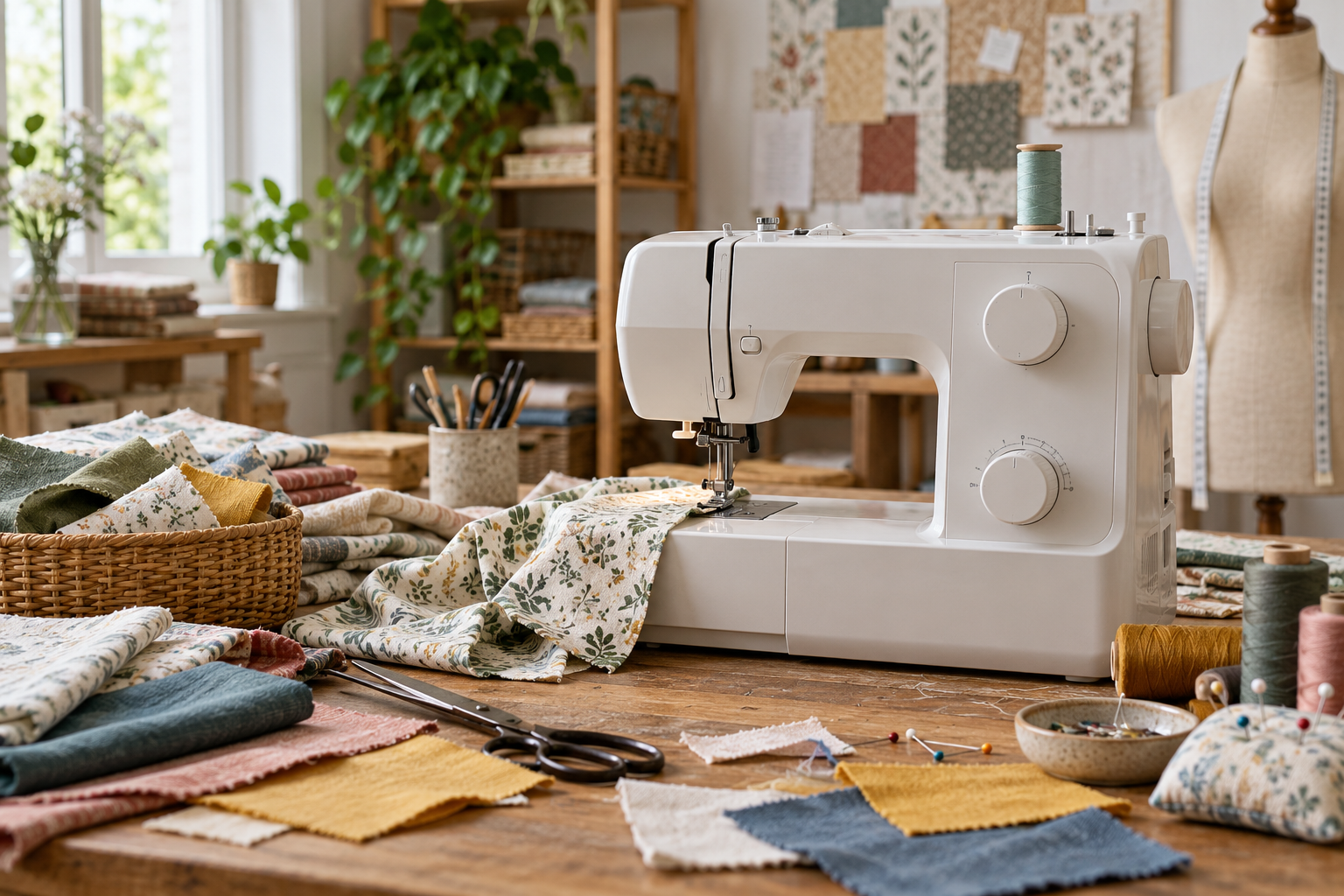
Hobby-ist Editorial TeamThere may be a small sewing project waiting in your head: a simple bag, a cushion cover, something in a fabric you keep touching in the shop. Then the machine enters the picture, with its thread path and bobbin, and the project suddenly feels much further away.
A first machine class can make that distance smaller. SewFYI’s introduction focuses on the setup and first seams—the parts that let you begin again when nobody is standing beside you.
We chose this lesson for that repeatable beginning. The useful souvenir is not only the class project. It is knowing how to approach the next piece of fabric.
What the listing includes
SewFYI lists a 2.5-hour introduction at $105, with materials and use of a studio machine or your own. It covers threading, bobbin winding and first seams, with a tote or seasonal project. The group workshop is recommended for ages 13 and above. Check the booking calendar rather than treating a regular weekday listing as a reserved place.
Official class details & booking →
Bring the question that stopped your project
If you have already tried at home, bring a description of the point where you got stuck. Ask to understand the sequence instead of only having someone fix it. A short note in your own words can be easier to use later than a page of unfamiliar terms.
When you try a test seam again, notice what you can now prepare without help. Keep the next home project small enough to repeat those steps. A complicated garment can wait until the machine stops being the entire puzzle.
Who it suits
Choose it if you want a person to watch your setup and help you correct the sequence. It may not fit someone seeking advanced garment fitting or help with every feature of an unusual machine. A short home practice is cheaper when you already have clear instructions; a class can be valuable when the same setup problem keeps stopping you.
Questions before paying
Confirm the exact project, whether your own machine model is suitable and what you need to bring. We did not verify a cancellation deadline from this product page, so ask for the current terms before committing. Add travel, parking and later practice materials to your budget.
A useful outcome and our verdict
Our suggested outcome is being able to set up and sew a simple test seam again, without relying on a photograph of the finished class project. Write down the steps that were confusing and ask about those in the lesson. Our verdict: a sensible first class for repeated setup trouble; postpone a large tool purchase until you know which basics you can repeat.
Learn on your machine or try the studio's?
If an unused machine is already sitting at home, bringing it can make the lesson directly relevant to what has stopped you. Check with the studio about what to bring, including the model and its accessories. If you do not own one, use the studio equipment to discover whether you enjoy the process before spending money. A successful first tote is not, by itself, a reason to buy the most complicated machine you can find.
A project class solves a different problem from a repair visit. If your machine is malfunctioning, explain the symptom before enrolling; a beginner lesson cannot be assumed to include servicing. Likewise, a home-machine introduction does not promise industrial-machine, garment-fitting or pattern-drafting instruction.
Leave with a repeatable setup, not just a tote
We suggest writing a short personal sequence after class: what you checked before starting, which step you needed help with, and what the instructor told you to look at when the seam changed. Ask permission before recording demonstrations. At home, repeat on a scrap before cutting fabric you care about. The useful result is knowing how to begin again when nobody is standing beside you.
Questions before booking
Will everyone make the same tote?
The listing also allows seasonal projects. Confirm the selected session's project if the finished object is a deciding factor.
What if straight stitching remains difficult?
The studio advertises a free retake when you raise that difficulty during the workshop. Ask how to arrange it and what conditions apply; do not assume an unrestricted refund or free repeat of any class.
Is an ordinary video enough?
It may be, if you can troubleshoot independently. The reason to pay for this class is the chance to ask about your own stopping point and receive instruction while you work.
Keep exploring
To prepare questions about threading and test seams, read Prepare your first machine session before class. After trying the studio tools, use Build a small sewing toolkit to buy only the supplies you need for the next small project.
The next time you see that fabric, you may find yourself imagining the first step rather than the obstacles. That modest change is a useful result from an introductory class.
Researched by Hobby-ist Editorial Team from the official sources on October 6, 2026; not a firsthand visit or review. The activities and conversation prompts suggested here are editorial proposals. Recheck current availability and terms with the organizer. Cover: AI-generated concept, not a photograph of the venue.
Sources & verification
Information checked: 2026-10-06