Perspectives
When an App Rushes Your Hobby: Step Back from Streaks and Numbers
Keep the reminders that help you begin, and review what the numbers actually represent. Try a small practice note alongside—or instead of—a daily streak.
By Hobby-ist Editorial Team · 4 min read · October 6, 2026

In this story
A reminder can help you open the sketchbook. It can also become the reason you do the shortest possible activity before midnight and close it again. Neither outcome is guaranteed by an app. Hobby-ist asks a more useful question: is the record helping you spend time with the hobby you chose?
Why we picked it: a visible number is easy to review, while the quality and purpose of practice take a little more attention. This article suits people who notice their own hobby sessions revolving around a streak or ranking. It is an editorial reflection and experiment, not a diagnosis or a claim that tracking harms everyone.
Say what your counter counts
Write its rule in plain language. Does it count opening the app, completing a lesson, logging minutes, or making an object? That number may be useful, but it does not necessarily represent the skill you want to develop.
As one product example, Duolingo's design explanation describes a streak based on consecutive lesson days and flexibility through Streak Freezes. It explains the company's approach; it does not prove that the same system fits every hobby or person. Check your current app's actual rules rather than copying another app's interpretation.
Hobby-ist distinguishes a record of returning from a record of learning. A short daily visit can be worthwhile. Just avoid asking one counter to tell you everything about the session.
Notice what happens near the deadline
For a few sessions, note why you started, what you did and how you chose to stop. Were you curious about a technique, following a helpful reminder, or mainly protecting the number? These are prompts for observation, not a scored assessment.
A rushed session is not automatically useless. Compare it with what you intended. If a small action keeps a useful habit accessible, retain it. If the cutoff repeatedly replaces your chosen project, consider a different schedule or measure.
Our 30-second sound diary has a clear finish without requiring a daily series. A bounded project can help you observe the difference between finishing something and extending a count.
Keep one piece of evidence from practice
Add a short note about what changed: “the stitch caught the folded edge,” “the recording cut ends naturally,” or “I noticed the window light changed.” Use your actual result. A sentence, a dated sketch or one file can carry more context than minutes alone.
For example, the first cloth napkin exercise asks you to inspect the finished edges before making another. The useful record is what you checked and would change, not how many consecutive days you touched the machine.
Do not turn the note into another burden. If writing takes more effort than practicing, shorten it to one useful detail. This is a suggested alternative, not a requirement to document every hobby moment.
Try one change to the recording system
Choose one manageable change: review weekly instead of watching the counter each evening, hide a ranking where the app permits, reduce optional reminders, or use a paper note for one project. Keep the parts that help you begin. You do not have to delete an account or erase old work to test a different relationship with the display.
Inspect available settings and export options before changing your setup. App controls vary, and this article does not promise a particular switch or transfer feature. Avoid making a permanent deletion merely to prove that the number no longer matters.
A possible trial is two planned practice sessions and a review after a week. That is Hobby-ist's proposed exercise, not a research-tested dose. If reminders help more than they interrupt, keeping them can be the better result.
Give missed days a next step
Decide the next small action in advance: open the last file, review the previous sample, or set out the materials for the next agreed session. A counter resetting does not erase a physical project or everything you previously learned.
Avoid compensating for a missed day with a session that no longer fits your time or workspace. If you need feedback rather than another count, our self-study versus class guide offers a different next step. Reaching a number and getting useful help are different decisions.
Review the hobby, not only the app
At the end of the trial, ask whether starting became easier, the chosen project received attention, and you still want to return. Keep, adjust or stop the change based on that experience. Do not infer a universal lesson from one good or difficult week.
Hobby-ist's judgment: keep numbers as prompts, and let the actual work tell you what they mean. A streak can be enjoyable and helpful. A smaller record can also be enough. Choose the form that supports the hobby rather than turning the display into its only purpose.
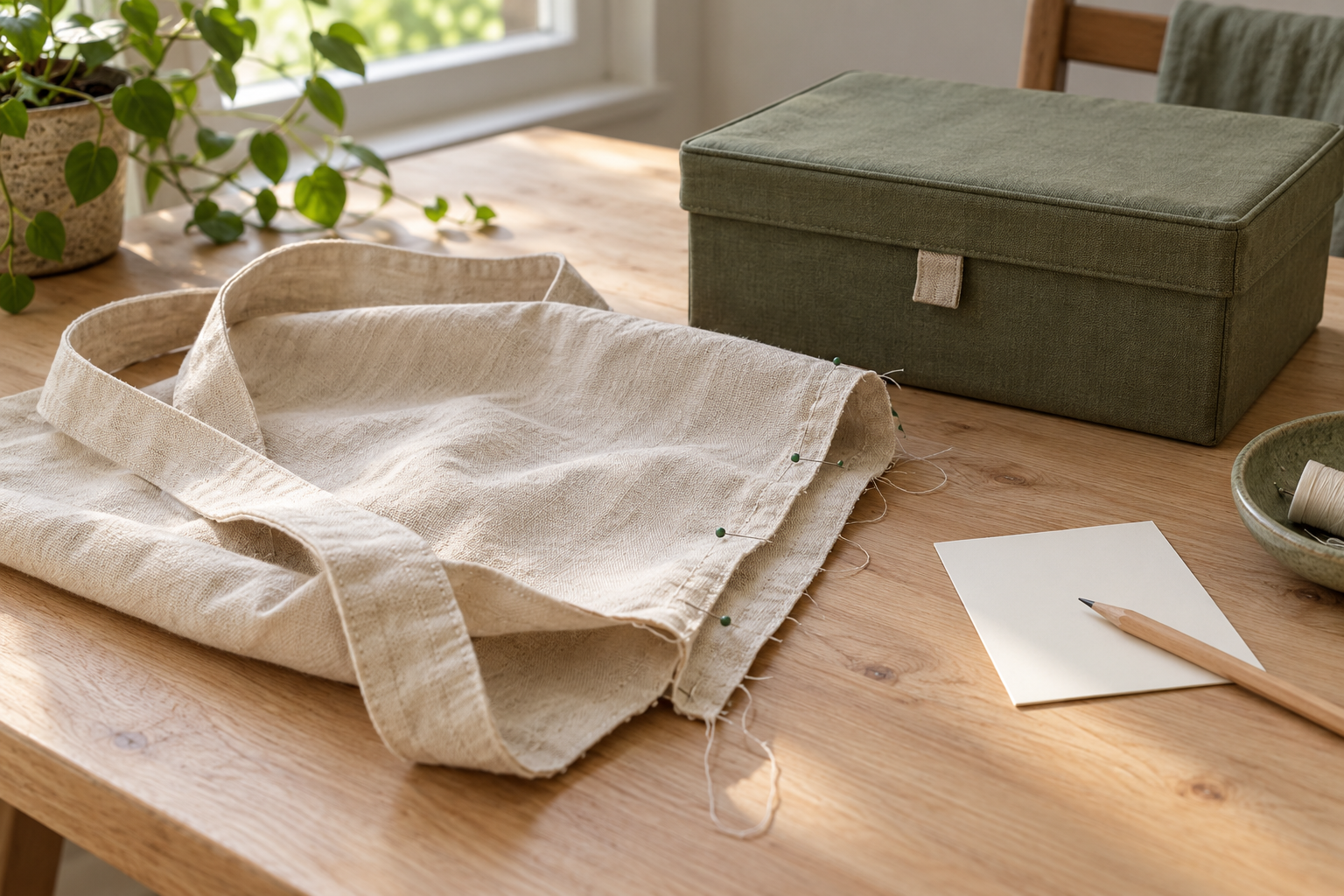
Editorial status: Researched. Duolingo's documentation informs the product example. The observation prompts and trial are Hobby-ist's proposals; we did not test an app intervention, measure learning gains or make clinical claims. The AI cover illustrates practice away from a screen, not a participant in a study.
Sources & verification
Information checked: 2026-10-06