Perspectives
Before Turning a Hobby into a Side Business: Keep Room for Enjoyment
Try a mock order before promising a deadline. Separate making, customer work and personal projects so a small selling experiment has clear limits.
By Hobby-ist Editorial Team · 4 min read · October 6, 2026

In this story
A compliment on something you made is encouraging. It is not yet a reason to promise ten identical pieces by next weekend. Turning a hobby into paid work introduces another person's requirements, a deadline and communication. Hobby-ist's first question is whether you enjoy that full job, not only making the object.
Why we picked this subject: the work between a finished project and a delivered order is easy to leave out of the decision. This guide suits someone considering a small selling experiment. It is less useful if you already need a full business plan or dependable income immediately. We propose a rehearsal, not an earnings forecast.
Choose what you want to keep personal
Write down the part of the hobby you would miss if every session became an order: experimenting, changing your mind, making one imperfect piece, or taking an unplanned break. Reserve a project or session that remains yours. Keeping the hobby entirely personal is a valid decision; selling is not a graduation requirement.
Our first cloth napkin project illustrates the difference between learning from one piece and producing a matching set. Before offering multiples, decide whether repetition is enjoyable or mainly an obligation you would be taking on.
Rehearse an order without taking payment
Choose one existing item you can reliably make. Give yourself a fictional brief with a quantity, finish and target date. Record preparation, making, inspection, photography, packing and a draft customer message. Do not publish the listing or involve a real buyer in this rehearsal.
Notice which tasks you postpone. Perhaps making is satisfying but photographing variations and answering size questions is not. That does not invalidate the hobby. It may suggest selling ready-made pieces occasionally, avoiding custom orders, or keeping sales out of it.
A mock order cannot establish demand or predict every customer interaction. Its value is exposing work you might otherwise omit. Repeat the difficult step before making a promise based on your fastest crafting session.
Count work around the object
Use our hobby budget guide to list material, packaging, failed attempts and other actual costs. Add time for messages, revisions and delivery preparation. Revenue is not the same as the amount left after those costs, and a low material cost does not establish a worthwhile return for your time.
We do not suggest a price formula or claim that a particular margin makes a business viable. Use real costs and the actual platform or payment fees for the offer you are considering. Check relevant selling, tax and product requirements before taking paid orders; this article does not determine them for your situation.
Define an offer you can explain
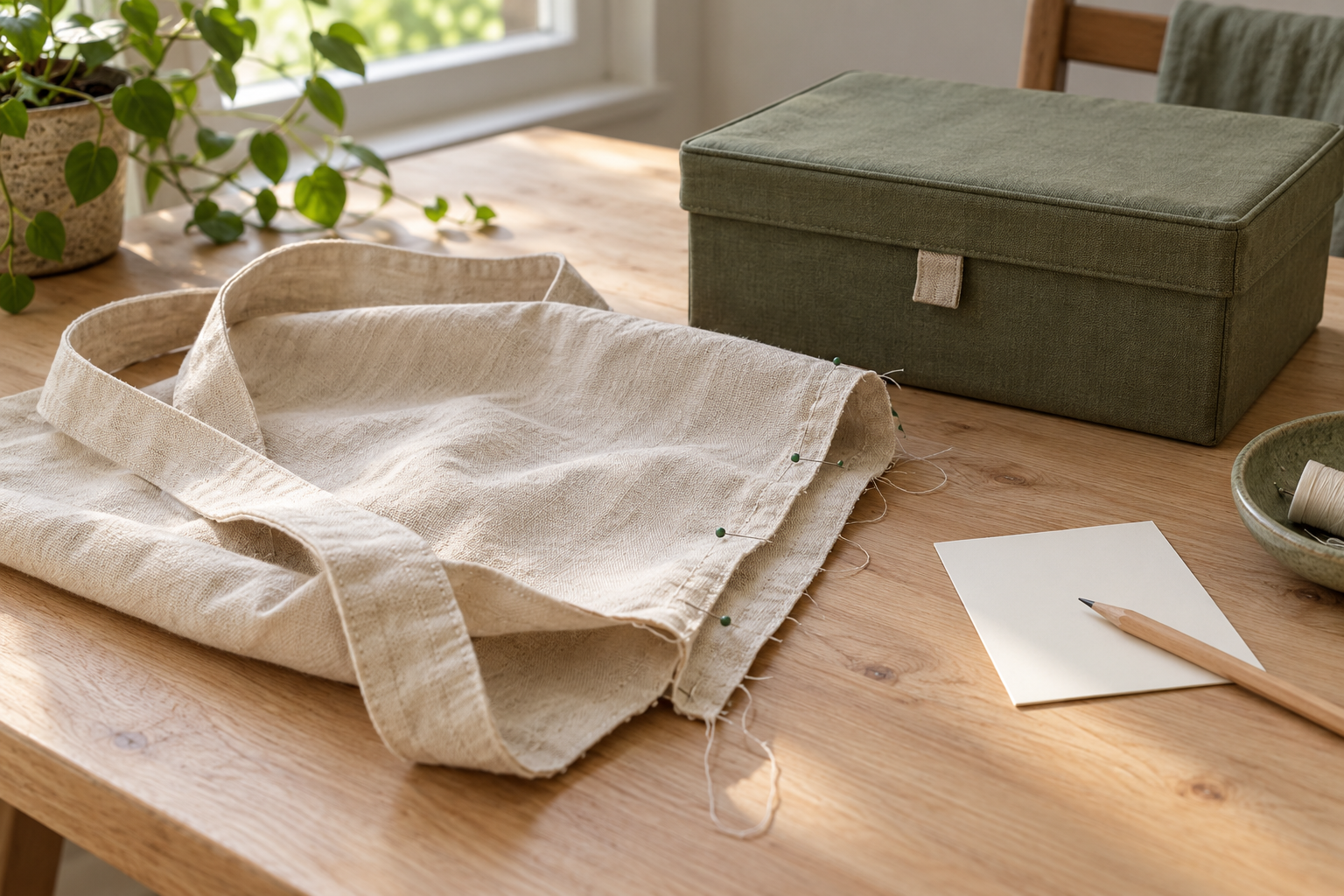
Write the included quantity, dimensions, material, finish, available choices and completion plan. Define how changes would be discussed before promising them. “Handmade” does not tell a buyer what variation to expect. Use photographs of your actual item when making an offer; an illustrative AI cover is not product evidence.
As a platform example, Etsy's processing-time guide includes custom-item creation in preparation time and distinguishes the shipping commitment from the time spent making. Read the rules of the service you actually use. This example is not a recommendation to open an Etsy shop.
Do not turn the shortest production attempt into a standard promise. Allow for the workflow you can repeat alongside your other responsibilities, and review the actual selling and cancellation terms before an offer goes live.
Set limits before testing sales
A possible first experiment is one item type and a small stated quantity, with no open-ended customization. That is an editorial proposal, not a tested sales strategy. Decide your available work periods and what would make you pause new offers. An order cap is useful only if you are prepared to stop accepting work when you reach it.
Protect time outside selling too. If the problem is needing feedback on technique, our self-study versus class guide offers another next step. A sales experiment is not the only way to take a hobby seriously.
Review the experience, not just the count
After a rehearsal or a properly scoped selling experiment, ask whether you still want to make something for yourself. Which work was rewarding? Which requests or deadlines exceeded what you could offer? Record one boundary to change before expanding. A small number of sales cannot establish a sustainable income.
Hobby-ist's judgment: test the whole order workflow while keeping a part of the hobby unpriced. Expand only when the making and surrounding work both fit your life. Choosing fewer orders—or none—can preserve the part you wanted in the first place.
Editorial status: Researched. Etsy documentation informs the platform example. The rehearsal and decision framework are Hobby-ist's editorial proposals; we did not run a seller trial or measure earnings. No affiliate links are included. The AI cover is an illustration, not a customer's order or a product listing photograph.
Sources & verification
Information checked: 2026-10-06