
Curated by
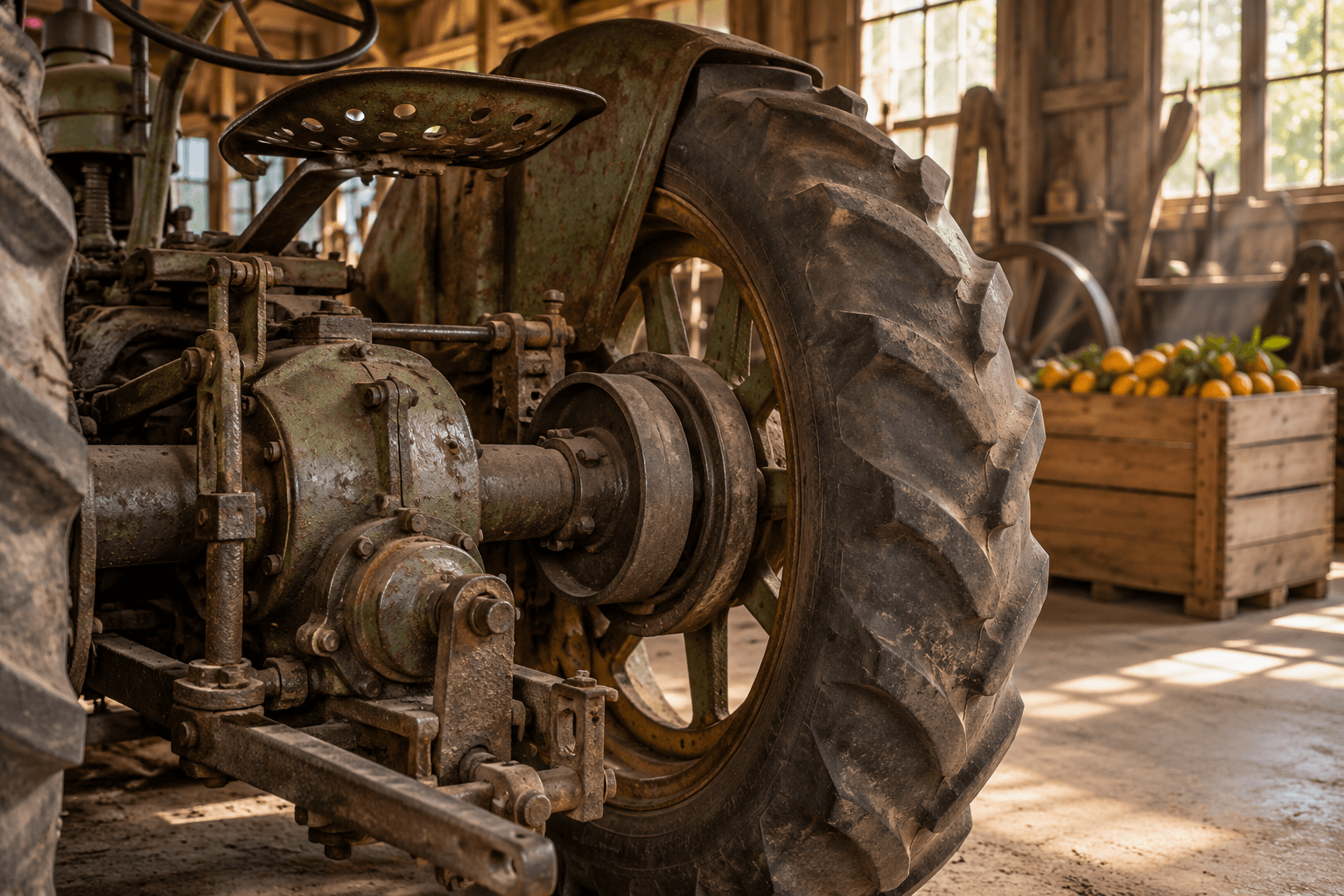
Hobby-ist Editorial TeamA tractor can be the loudest-looking object in a room even when its engine has been silent for decades. It asks to be photographed: big wheel, weathered paint, metal built to do a job. But the more interesting question is what happened around it. Who picked the crop? Who sorted it? How did it leave the valley?
At Santa Paula’s Agriculture Museum, follow those questions from the machine to the people and the railway. The museum preserves Ventura County’s farming and ranching history in the Mill building, constructed in 1888. Its visitor page lists tractors, farming implements, a living beehive and children’s interactive stations. Together, they offer several ways into a story that starts long before food reaches a table.
Start with the building, not the biggest wheel
The museum’s 2021 annual report describes the building’s earlier role as a warehouse for agricultural goods awaiting railway transportation. That history changes the meaning of its location beside the tracks. The building was part of the journey, not simply a convenient shell later filled with old equipment.
Before entering, look toward the railroad and depot from the public area, keeping off the tracks. A warehouse beside a railway begins to make practical sense: a harvest needed to be gathered, stored and made ready to move. Carry that thought inside. The machines become parts of a journey rather than a row of separate objects.
Choose one machine that catches your eye and try to work out its job before reading the label. What might that wheel or mechanism have helped someone do? Then use the documented description to check your guess. A label is easier to remember when it answers a question you have already asked.
Follow one crop through a chain of work
Follow a crop through four stages: growing, harvesting, sorting or packing, and transport. Use that sequence loosely as you look around. If a stage is missing from what you find, carry the question into the photograph archive or ask a staff member. A small unanswered question can be a better souvenir than a hurried look at every object.
A tractor might represent one part of that chain while leaving hand labor almost invisible. Look for photographs and names alongside machinery. Whose work is described in detail? Whose work appears only in the background? These questions are especially useful for an adult visitor who assumes a small agriculture museum will offer only nostalgia.
Continue online with the museum’s fruit-related photograph archive. “Japanese Workers at Limoneira” shows a group at a packing shed; “Packing House Workers” shows five women with citrus shipping crates. These online images bring people into a story that large machines can easily dominate.
Give a photograph two looks. First, notice the people and how they are arranged. Then look around them: the containers, room layout, fruit and clothing. Read the archive caption for the identified names and context. The second look often produces a more interesting question than the first.
A family visit can have two different scales
For a child, the large wheel or a beehive may be the moment that holds attention. For an adult, the warehouse and labor story may be the discovery. There is no need to make everyone follow the same level of explanation. Let a child choose a permitted interactive station, then return to a photograph or implement that interests you.
At the beehive, let a small movement hold attention for a while; at an interactive station, follow the signs and staff guidance about what can be handled. If one feature is unavailable, there are still machines, photographs and the building itself to explore. A family visit can change direction without losing its thread.
Make it a Sunday plan, with a modest footprint
The key practical detail is the day: regular public hours currently listed are Sunday, 11am–5pm. Admission is free, and free public parking is described in the gravel lot adjacent to the museum at 926 Railroad Avenue. Do not use older listings of broader opening hours to plan a weekday drive. Check the official page again if traveling specifically for the museum.
Our suggested 75–90-minute visit leaves about 10 minutes outside to understand the site, 35–45 with a few exhibits and 20–30 for a second look or a child’s chosen activity. Mechanical-history enthusiasts may want longer. This is a quiet museum outing; choose a different plan if a farm ride or operating train is the main attraction you want.
Coming from LA, pair it with an unhurried meal or town walk only after allowing for your actual drive and the Sunday opening window. We would not attach a distant timed booking. For a different look at what a region grows, our Ojai olive-oil story can be another day’s food-focused outing; it is not a required stop on this route.
Our Camarillo farmers market story follows ingredients toward the kitchen. Santa Paula offers the other direction: back through the work and infrastructure that made a regional crop possible. Together they offer a richer way to think about food without turning either visit into homework.
A piece of fruit is easy to take for granted once it reaches the kitchen. Here, its journey gathers people, tools, storage space and a railway. Follow those connections, and even a wheel standing still has something to tell you.
Sources & verification
Information checked: 2026-10-20