Ideas
A Leaf Under the Paper: Rediscovering the Rubbing
The childhood craft still has something to offer an adult afternoon: a way to notice texture without needing to draw it well.
By Hobby-ist Editorial Team · 4 min read · October 19, 2026
In this story
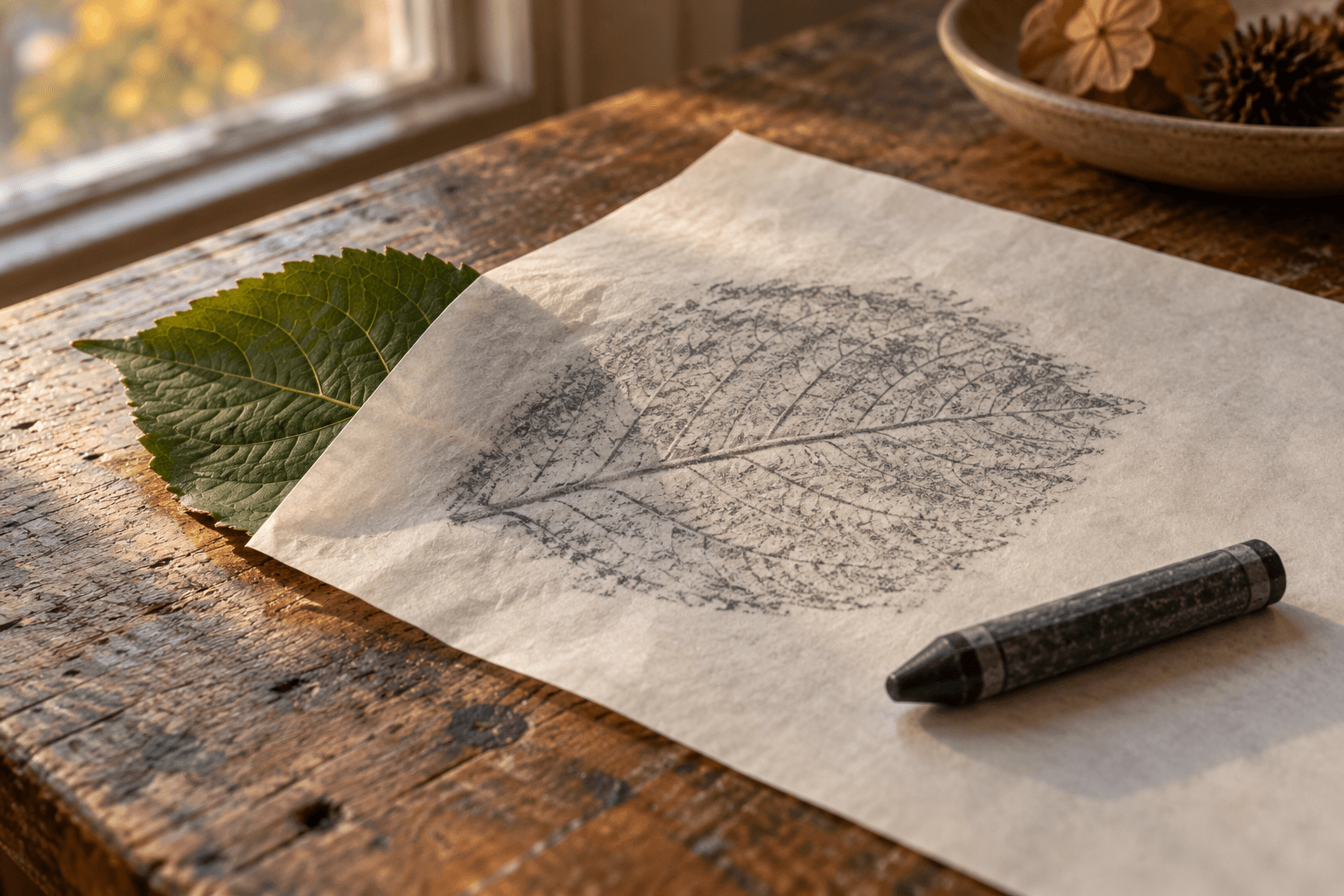
At first the paper looks almost empty. A few light passes with the side of a crayon, and a branching line begins to appear. The leaf was there all along, but seeing its structure emerge can feel like being let in on a small secret. It is a familiar childhood activity with a surprisingly good adult quality: the interesting part arrives before you have had time to judge your talent.
A rubbing, sometimes called frottage, records a surface through paper. For this afternoon, the surface can be one leaf you are allowed to use. No autumn road trip is required, and the leaf does not have to be red. A green leaf from your own garden can be enough to make you notice something you usually pass over.
Start with the least impressive setup
Use thin ordinary paper, a crayon with some wrapper removed, a smooth backing surface and a leaf with visible veins. A soft pencil is another option, though its result will differ. Begin with one material rather than buying several to discover which is “best.” Use a clean, dry leaf from a place where collecting is permitted; leave protected places and other people’s plants undisturbed.
Place the leaf with its raised vein side up, lay the paper over it and steady the paper with your other hand. Move the side of the crayon lightly across the area. Start gently enough that the first pass seems incomplete. You can darken it later; a hard first pass may turn delicate structure into a dense patch.
If the outline doubles, something probably moved. Secure the paper at an edge or use a smaller sheet you can control. If little appears, try slightly thinner paper or a different leaf before pushing harder. A brittle specimen that breaks and a thick succulent leaf that makes a bump are not equivalent materials. The setup is part of the experiment, not proof that you cannot do the craft.
Let one leaf make more than one picture
Make three small rubbings on one sheet, changing only pressure. One pale, one medium, one dark. This is a suggested experiment, not a rule for a finished artwork. Look at which one reveals the veins and which one emphasizes the silhouette. You may prefer the least complete-looking version because it leaves more air around the lines.
Then try placement. Let a second rubbing run off the edge, or rotate the same leaf without covering the entire sheet. Repetition can become a pattern without needing a second species or a lesson in botanical identification. If you want to name a plant, verify it separately rather than treating an attractive rubbing as an identification tool.
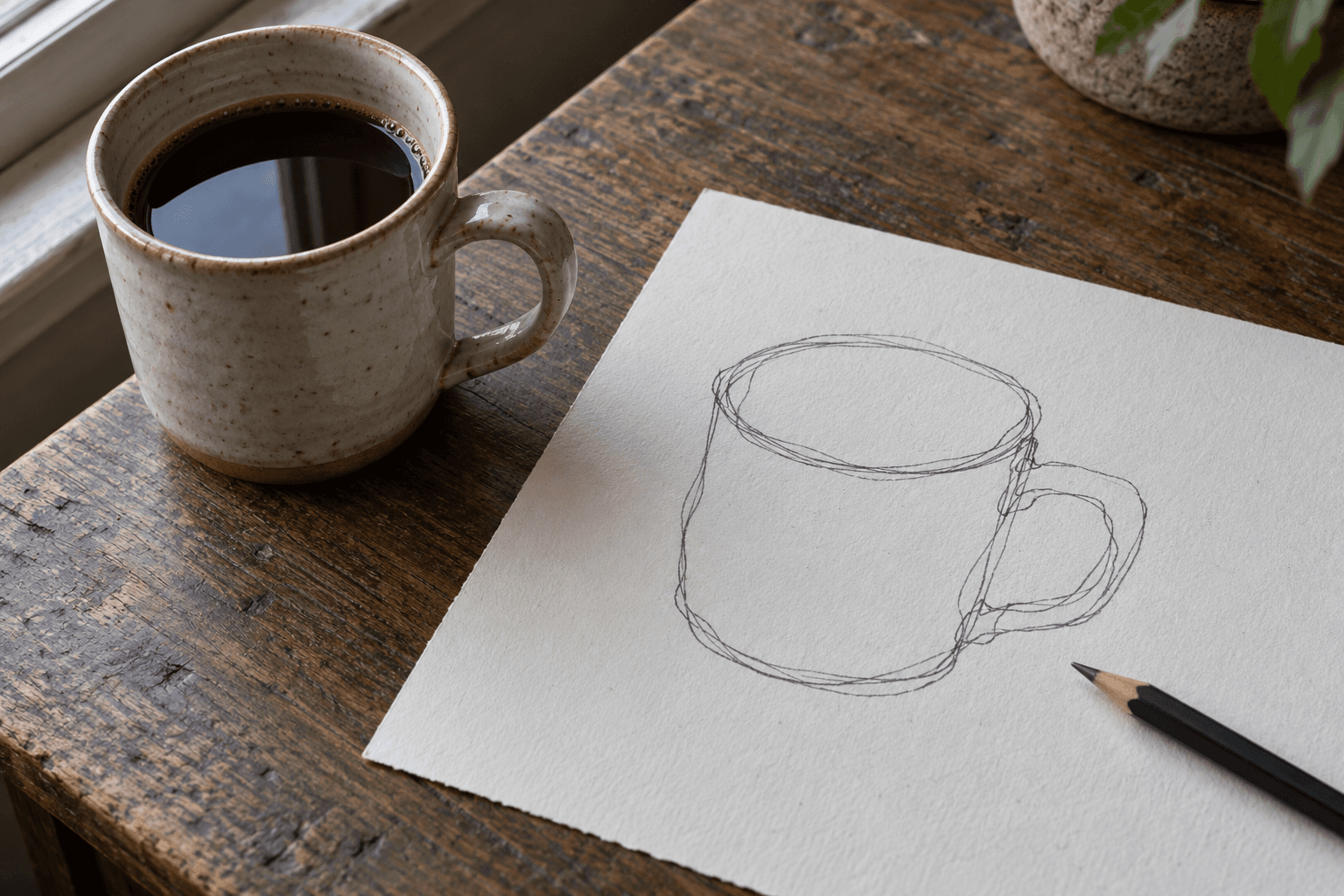
This is why Hobby-ist picked the activity: it creates a visible surprise with materials many people already have. It also lowers the pressure to invent an image. If staring directly at an object makes you overthink the drawing, our blind-contour mug exercise offers a different way to loosen the connection between observation and judgment.
Stop before it becomes a collection obligation
You do not need to build an archive of every leaf in the neighborhood. One sheet can become a bookmark-sized strip, a background for a note, or simply a page you enjoyed making. Avoid rubbing surfaces where friction or materials could damage an object; the goal is to record texture without leaving a mark behind.
For someone who loves highly controlled drawing, the unevenness may be frustrating. For someone who wants an image to arrive without first sketching a perfect outline, that unevenness is the attraction. Choose the activity for the kind of attention it offers, not because it promises a professional result in ten minutes.
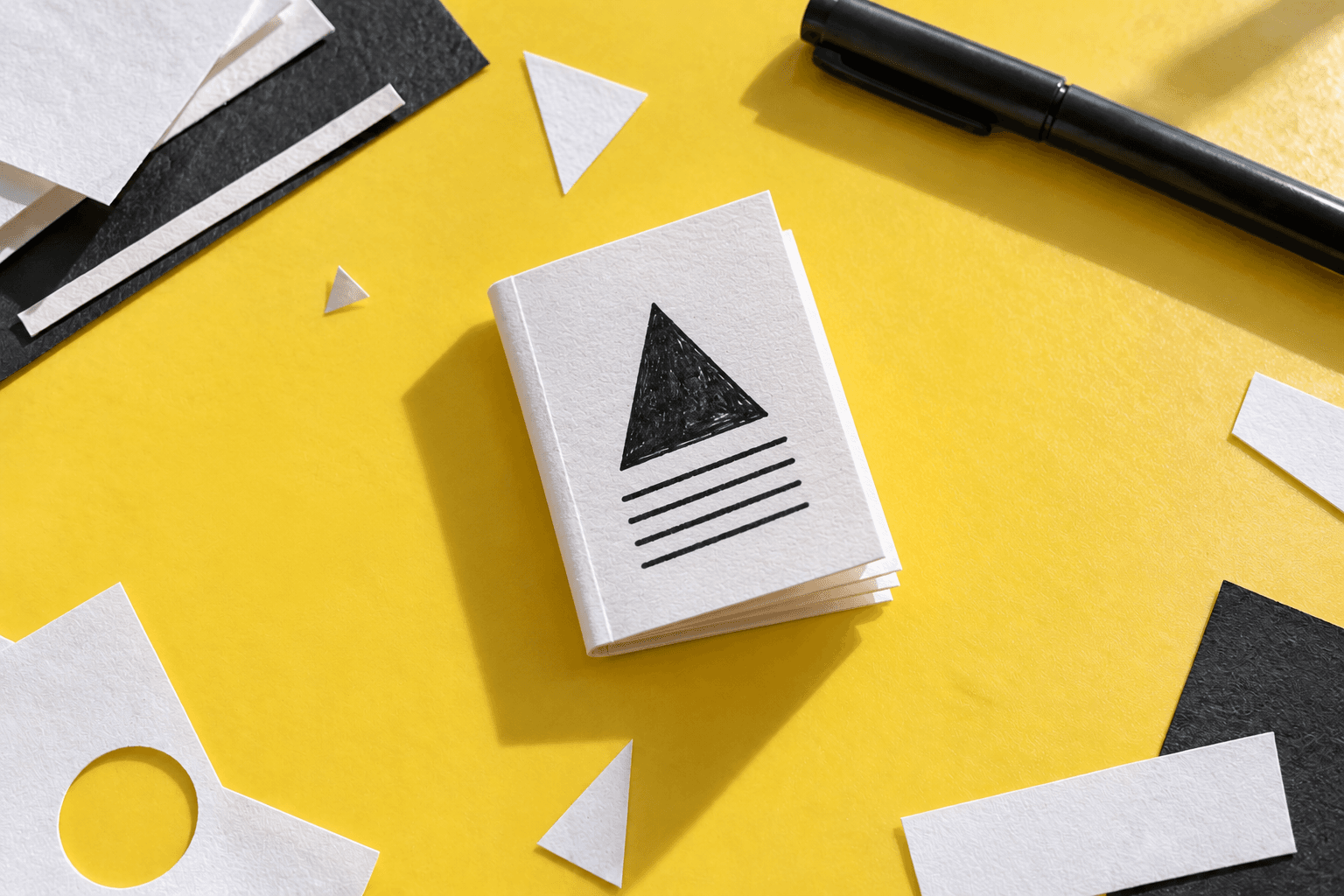
If the page makes you want another small paper project, our one-sheet mini-zine can give a few fragments a place to live. There is no need to turn today’s rubbing into tomorrow’s production schedule.
Before putting it away, look once at the real leaf and once at the paper. The print will omit some things and emphasize others. That little difference is enough to make an ordinary object interesting again.
Sources & verification
Information checked: 2026-10-19