
Curated by
Hobby-ist Editorial TeamA banquet table usually tells you where to sit. An art installation built around one can make you wonder where to look. What catches the eye first—the shine, the density, the feeling that there is almost too much to take in? That first response can be a useful beginning rather than something to rush past on the way to the wall label.
At Laguna Art Museum, Einar and Jamex de la Torre’s The Tipping Point uses a large table-centered installation to explore abundance and consumption. We chose it for an Orange County afternoon because it invites a different kind of coastal outing: one where the most interesting view may take a second look to become legible.
Begin with the object that holds you
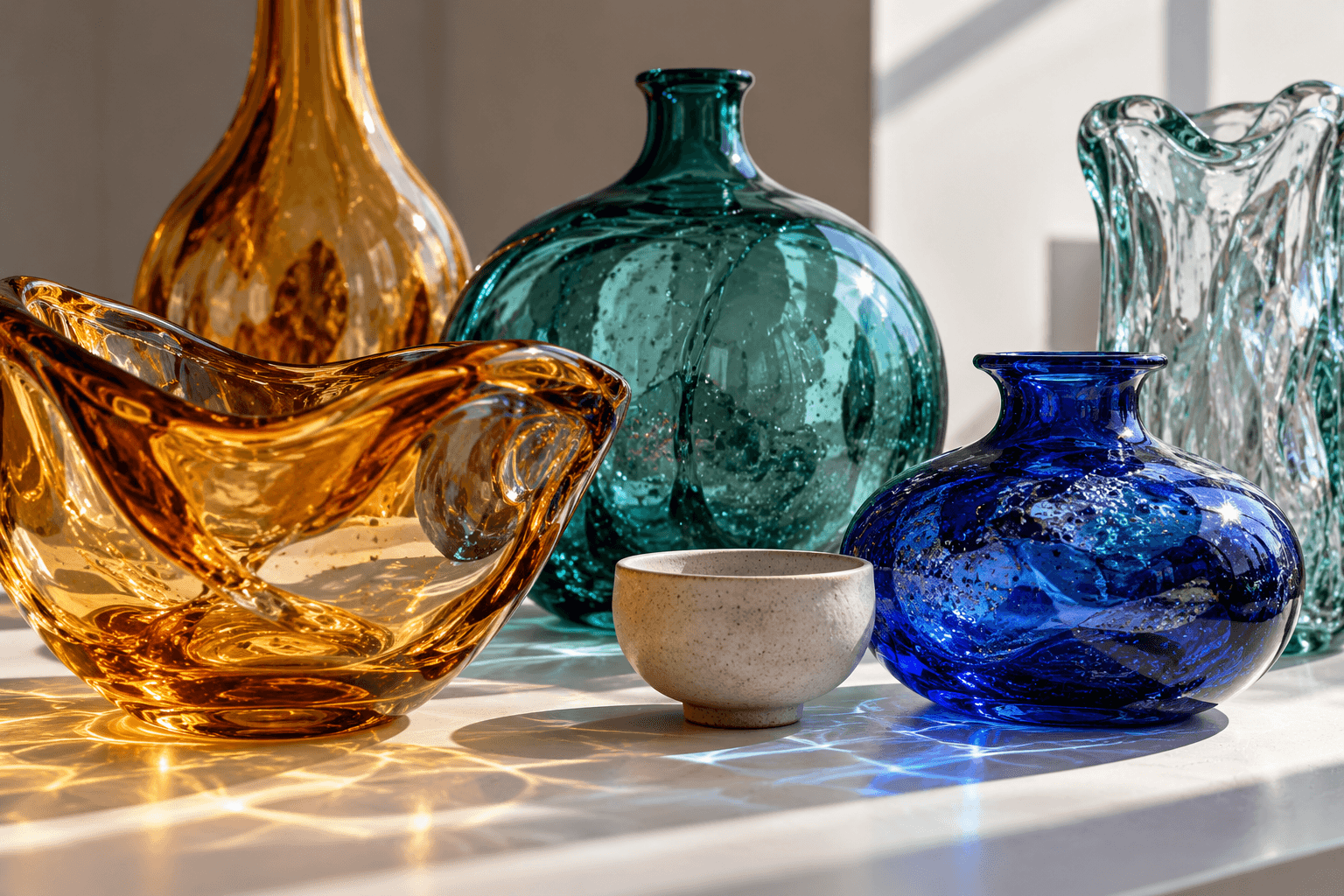
The museum’s exhibition description presents a lavish dinner scene combining glass works, selected objects, chandeliers and suspended elements. The brothers’ practice spans blown glass, mixed media and installations, informed by life on both sides of the U.S.–Mexico border. The show runs August 1, 2026–January 24, 2027.
You do not need to decode the whole scene at the entrance. Our suggestion is to choose the detail that first holds your attention and describe it to yourself before reading an interpretation. Is it transparent or opaque? Does the surface seem delicate, heavy, expensive or ordinary? Which of those impressions comes from the object, and which comes from its placement?
Then let your eyes move to a neighbor. The useful question is not simply “What is that?” but “What changes when those two things are together?” An object that looks celebratory alone may feel excessive in a crowd. That shift is something you can investigate without claiming there is only one correct response.
Read the label, then test your first impression
The museum connects the installation with wealth, status and the systems of excess in which viewers participate. Read that framing after your first look, then return to the detail you chose. Has the text sharpened something you sensed, or made you question an assumption? Neither reaction is a failure to understand art.
For two visitors, compare first impressions before trying to agree. One person may notice humor while the other notices display or discomfort. Ask each other which visible detail supports the response. This keeps the conversation close to the work instead of turning it into a contest over who has the better vocabulary.
It is a similar pleasure to the second pass in our listen-twice exercise: the scene has not necessarily changed, but your attention has found a new route through it.
Leave enough space around the visit
For a first visit, we would set aside roughly an hour for this exhibition and room to pause, rather than promise a full survey of everything in the museum. That is an editorial planning suggestion, not a stated tour duration. If you become absorbed, you can let the rest of the afternoon become simpler.
The museum is at 307 Cliff Drive. Its visitor page lists Tuesday–Sunday hours of 10 a.m.–5 p.m., with Mondays generally closed and holiday exceptions. General admission is $15; specified student, senior and military admission is $10, and visitors 19 and younger enter free with an accompanying adult. Information was checked October 16, 2026. Reconfirm the actual day before travel.
There is no museum parking lot. Allow time to find legal nearby parking and read the posted meter or city-lot conditions; admission does not cover parking. The same visitor page permits personal photography unless a gallery sign says otherwise, but excludes flash, tripods and selfie sticks. Keep the required distance from the work and follow staff instructions.
Who will enjoy staying with this scene?
We would choose this show for someone curious about materials, visual wit and the way objects acquire meaning together. A visitor looking mainly for a room of quiet, traditional coastal landscapes may want to check the rest of the current exhibition program before choosing the museum.
If eligibility and budget are the main decision, our Balboa Park free-admission guide offers a different museum-planning question in San Diego. Here, the strongest reason to go is a particular installation that can sustain an extended conversation.
Before leaving, return to your first chosen detail once more. The table may still be crowded. Your way of looking at it may be less so.
Sources & verification
Information checked: 2026-10-16