Ideas
The Song You Already Know Has More to Give: Try Listening Twice
A favorite song can become a hobby without new equipment or a theory lesson. Listen once for pleasure, then follow one sound and notice what changes when your attention changes.
By Hobby-ist Editorial Team · 4 min read · October 9, 2026
In this story
You know when the chorus arrives. You can sing the next line before the singer does. A favorite song seems to have no surprises left—until, one evening, you hear a small sound behind the voice that has apparently been there all along.
Listening can become a hobby at that moment. You do not need a more expensive pair of headphones, a music-theory vocabulary or a plan to become a musician. You need a little room for a familiar recording to give you something besides familiarity.
Start with the song you actually want
Choose one recording you already enjoy, ideally short enough that playing it twice feels inviting. A list of important albums can wait. The best first subject is not necessarily the one that proves your taste; it is the one you are willing to spend a few more minutes with.
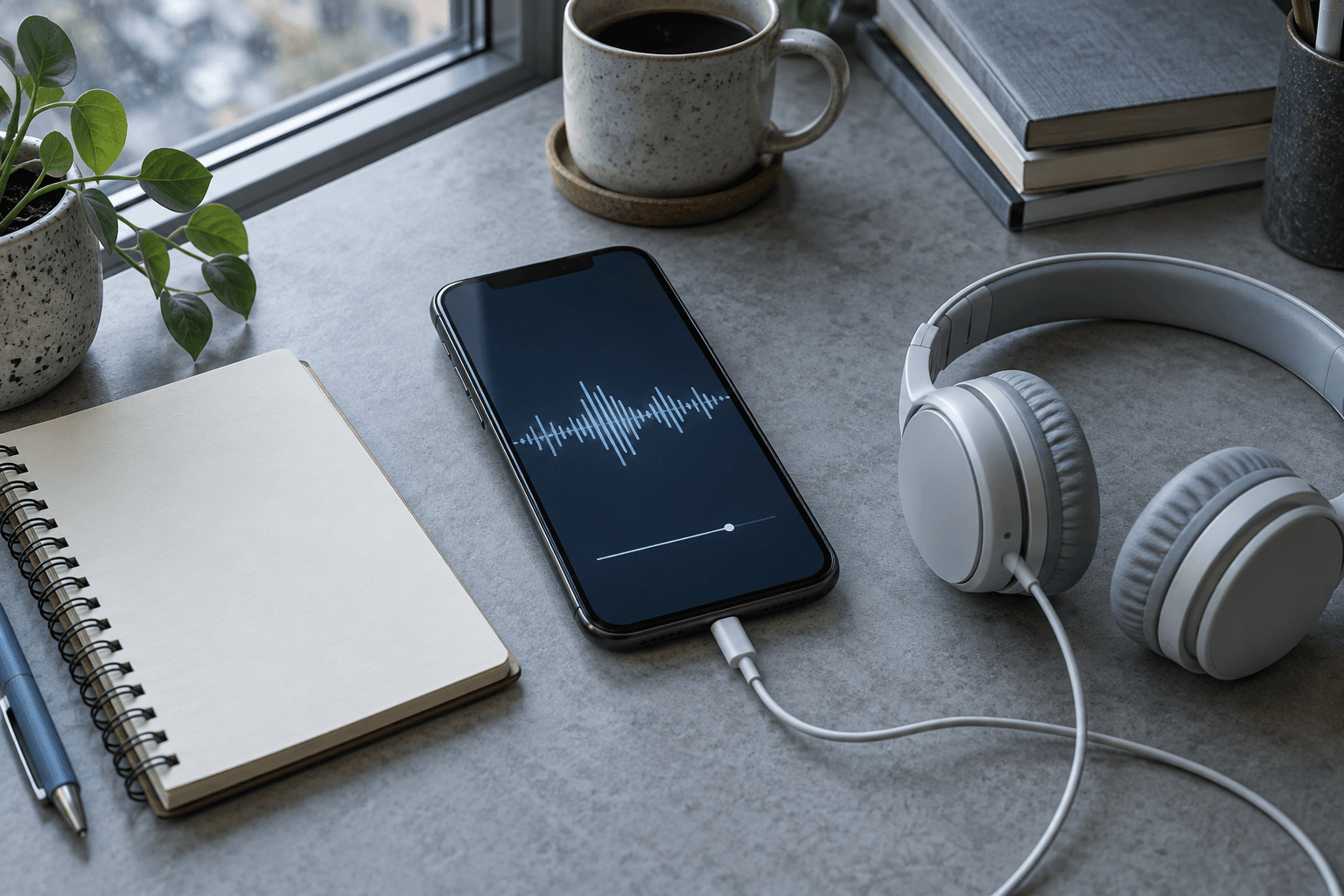
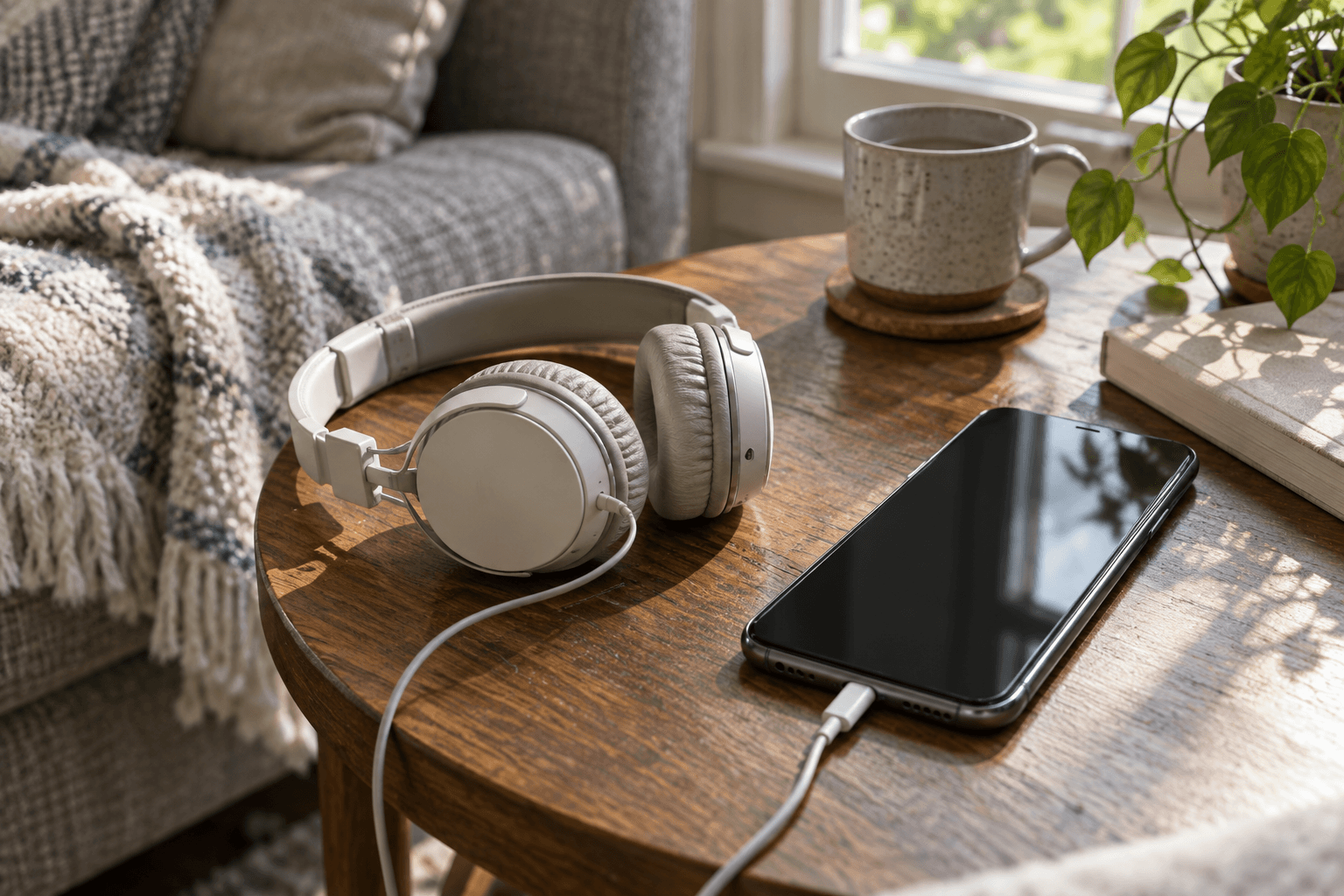
Use your ordinary speaker or headphones at a comfortable volume in a place where listening is appropriate. Keep the same setup for both plays. You are changing your attention, not comparing devices. Do not raise the volume to force a hidden detail into the foreground, and save this kind of listening for a time when it will not pull your attention from driving or crossing a street.
If the song belongs to an emotional memory, let that be part of the experience. A summer commute, a friend’s kitchen, a room you no longer live in: music can carry those associations without needing to be dissected out of them. The point is to have another way to enjoy the recording, not to replace the one you already have.
First, let it be a song
On the first play, resist making a checklist. Notice where you lean in, when you anticipate the next phrase, or whether the ending feels abrupt or satisfying. You do not have to write anything. One impression—“I love the pause before the chorus”—is enough to give the second listen somewhere to begin.
This is different from trying to identify every instrument. That can be frustrating when sounds overlap or are processed. “The low repeating sound” is a perfectly useful description. Your ears do not need permission from a label before they can follow something.
On the second play, follow one thread
Choose a single sound or relationship: the low pattern beneath the voice, a backing vocal, a repeated tap, or the space before a new section. Follow it when you can, and let it go when the arrangement becomes too dense. Losing the thread is part of finding out how the song holds together.
For an imagined example, suppose the chorus is the part you always sing. On the second play, notice the few moments just before it. Does something drop away? Does another sound arrive early? Does the lead voice continue while the background changes? We are not describing a particular artist’s recording here; these are small questions to try with your own choice.
The useful result is a change in your experience. A section may feel larger because of what comes before it. A quiet opening may become your favorite part. If nothing new appears, that is not a failed session. Familiar pleasure is still a reason to listen.
Repeat the detail, then return to the whole
If one passage catches you, replay that short part once or twice. Then play enough around it to hear where it belongs. A detail can lose its meaning when you cut away every surrounding phrase, just as a single sentence can feel different outside its paragraph.
A time marker can help if you want to find the moment again, but a notebook is optional. “The little reply after the second verse” may be more useful to you than a technical description copied from elsewhere. Stop when curiosity gives way to strain. Enjoying the song is not a prize you earn after doing analysis correctly.
Two versions are a different question
Later, you might compare a studio recording with a live performance. Keep the artist and song clear in your notes or saved links; a cover, remix and live take are not interchangeable labels. Ask what you prefer about the version, rather than declaring one objectively better. You may like one for its looseness and another for the way a voice sits in the arrangement.
Take care with recording impressions. A louder playback level or a different device can influence what seems prominent. This is a personal listening exercise, not a controlled equipment review. You can say “this version makes me want to move” without claiming to measure fidelity.
Let another kind of listening grow from it
For orchestral music, a work note can offer context after your own first impression. LA Phil’s Swan Lake notes are one such doorway. Read to answer a question you have, rather than to collect facts before you are allowed to listen. For a live outdoor setting, our Jazz at LACMA guide suggests following a sound through an ensemble.
If attention to everyday sound makes you want to create something, the 30-second sound diary is a separate small making project. Listening alone is a complete hobby too. Hobby-ist’s judgment: choose a repeated listen when you want a low-cost way into music that starts with your existing taste. The new discovery may be a sound; it may simply be a clearer reason why this song stays with you.
Sources & verification
Information checked: 2026-10-09