
Curated by
Hobby-ist Editorial TeamA downtown photograph can make a building look like an object on its own. On the street, it has neighbors, entrances, people moving past it, and a place in a much bigger day.
Historic Downtown invites a walk through that bigger picture. Instead of collecting recognizable facades, you can ask how buildings and public spaces connect with the way Los Angeles is used.
We chose LA Conservancy’s introduction for that link between architecture and daily life. The route matters, but the best reason to follow it is finding a question you would like to return with.
What to expect from the listing
The tour is listed on Saturdays at 9:45 a.m., approximately two hours and 1.5 miles, with hills and stairs. It starts at Pershing Square and ends near Grand Central Market; exact meeting details follow registration. General tickets are $25, with members and youth 17 and under $18. Check the current date and availability.
Official tour dates & tickets →
Look at what the building asks people to do
At a stop, notice where people enter, pass, or gather, then ask the guide how that fits the building’s story. The question gives the architecture a human scale. Stay with the group rather than turning a shared tour into a private photo session.
Save one subject for a later independent visit. You might want longer with a detail or a different time of day. A first tour can provide a starting map for your curiosity without exhausting it.
Who it suits
It fits an interested first-time downtown visitor or local who wants a broad historical introduction. It may not fit someone seeking a seated experience or unconstrained photography time. Ask the organizer about accessibility before booking if the terrain matters. A self-guided outing gives more control over breaks, while a guide adds interpretation.
Plan the return, not only the start
Our suggestion is to map the end point back to your transport before selecting parking. A route that finishes elsewhere can make a nearby-looking parking choice inconvenient. Keep lunch plans flexible enough for the tour to finish, and leave arrival time to locate the registered meeting point rather than just the park.
The purchase commitment and verdict
The Conservancy’s general policy states that sales are final, with date changes requested at least 48 hours in advance. Check the current tour-specific terms too. Our verdict: a strong introduction when the walking demands fit; choose another format if the route would overshadow your ability to enjoy the stories.
More than a collection of impressive buildings
The current description brings together architecture, changing land use and the people whose histories shape downtown. Biddy Mason Memorial Park is a useful reminder not to turn the outing into a facade-only checklist. Ask how a place connects to the lives around it, as well as who designed it. A name or date is a starting point for understanding, not the entire story.
For a smaller geographic commitment, compare the Santa Monica downtown walk, which covers about six blocks. For complete control over pace, a self-guided route may be more suitable. A guided downtown visit earns its place when the connections between stops—and the opportunity to ask about them—are the reason you want to go.
Plan around different start and finish points
Put the registration's exact meeting instructions in your phone, along with the route back from the ending area near Grand Central Market. If you park by the start, the walk is not finished when the guide finishes: you still need to return to that vehicle. We suggest leaving lunch flexible until after the tour rather than making a reservation that assumes every stop runs to the minute.
Questions before registering
Is every advertised interior guaranteed?
Do not assume unrestricted access. The organizer describes interior and exterior visits; confirm any particular building that determines whether you book.
Are hills and stairs a minor detail?
They are part of the listed route. Contact the organizer in advance if access needs affect participation, rather than discovering the issue at a stop.
Is an architecture background necessary?
No. Bring a question about what people do in a space. Noticing entrances, gathering places and changes of scale gives you a way into the discussion without memorizing style names first.
Keep exploring
After the tour, Keep a short sound diary after a walk offers a small way to remember the city’s sounds without turning the guided walk into a recording session. Compare future tours and transport with Budget for repeat outings.
On the journey back, name a place you would revisit and the question you would take there. That is a useful way for a two-hour introduction to become an ongoing city hobby.
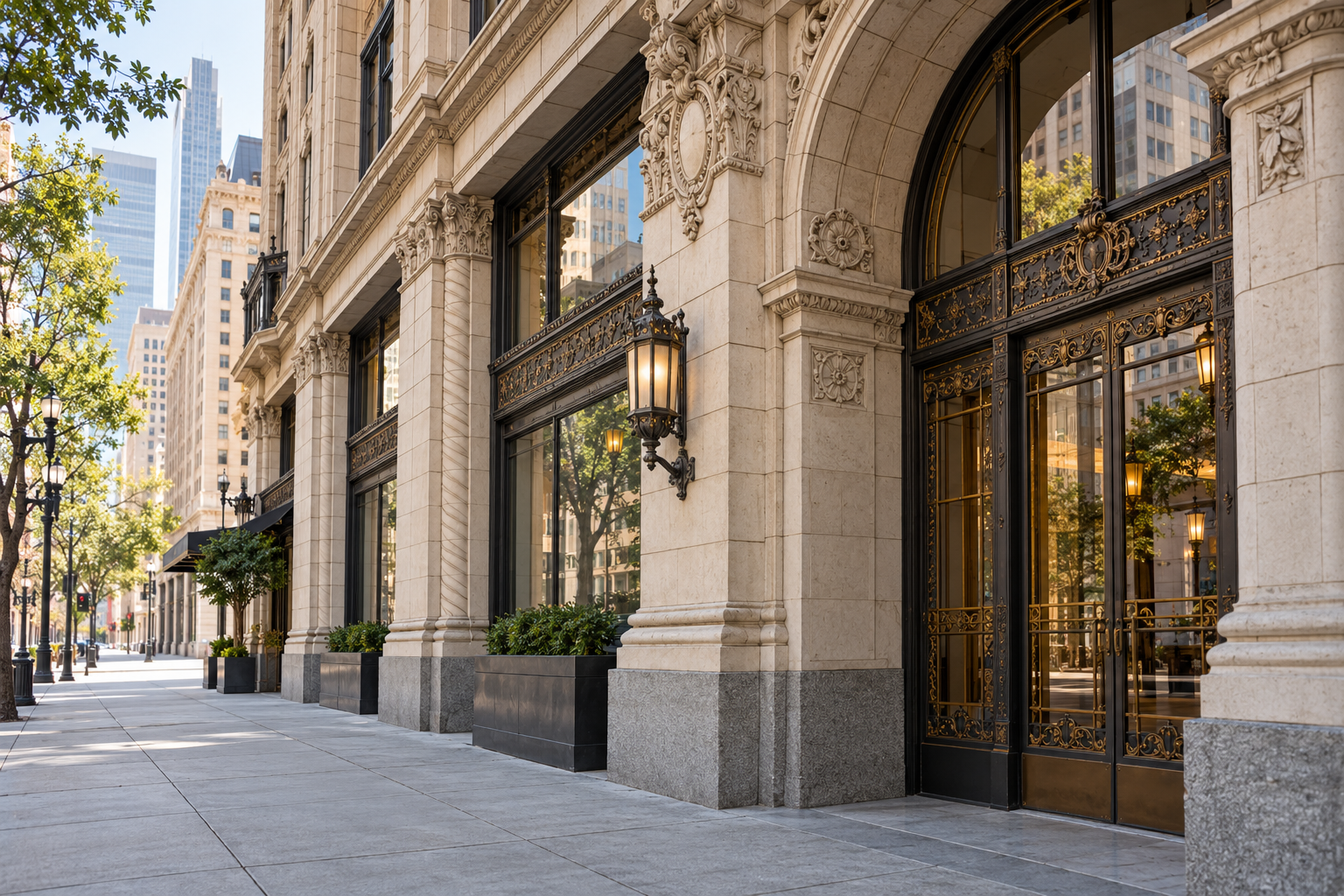
Researched by Hobby-ist Editorial Team from the official sources on October 6, 2026; not a firsthand visit or review. The activities and conversation prompts suggested here are editorial proposals. Recheck current availability and terms with the organizer. Cover: AI-generated concept, not a photograph of the venue.
Sources & verification
Information checked: 2026-10-06