
Curated by
Hobby-ist Editorial TeamA bird moves through the edge of your view and is gone before you have found a name for it. Usually, that is where the encounter ends.
On a bird walk, it can be where the question begins. Where was it moving? What did it do before taking off? Somebody else may have noticed a detail you missed.
We selected Kenneth Hahn’s guided morning for this change in attention. You can begin with an honest description and let the name come later. The park does not have to be unfamiliar for the observation to be new.
Confirmed morning plan
The October 11, 2026 walk is listed 8 a.m.–noon at Kenneth Hahn. The organizer says to ask the entrance kiosk for the meeting location, lists $7 parking and says binoculars are provided. Check the current notice before leaving; particular species are possible sightings, not a promised list.
Write the description before the name
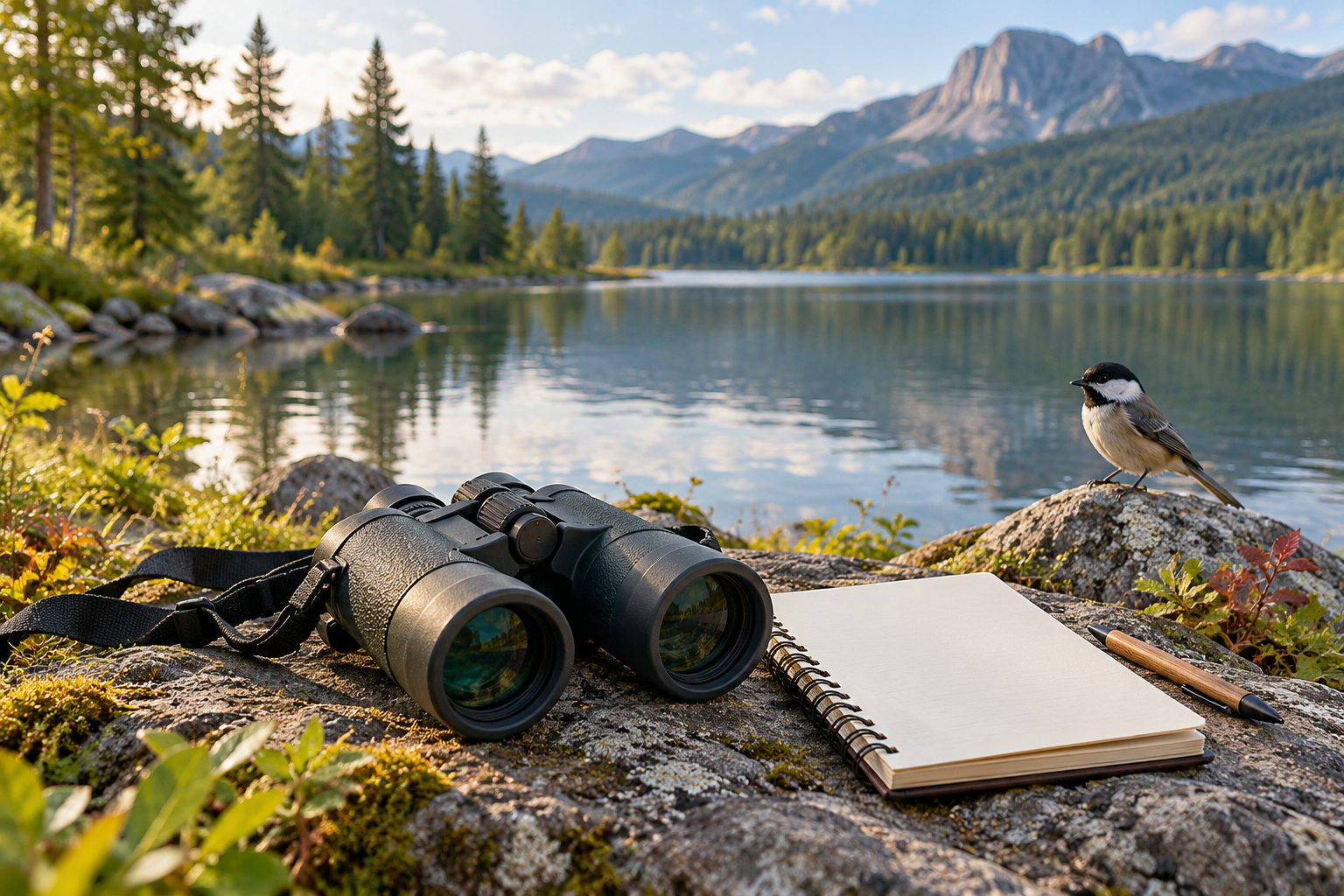
Try a short note that uses only what you saw: position, movement, and one visible feature. Then ask the leader which clue is most useful. If the bird has already gone, keep the uncertainty in your note instead of making the description fit a guess.
Afterward, take the same question to a familiar walk. You may not identify every bird, but you can notice where you tend to see them and what makes you stop. That repeatable attention is a promising beginning.
Who should join
Audubon describes its walks for beginner and intermediate birders, with no advance sign-up. Its general guidance excludes pets and small children and considers bird watchers ages six and older appropriate. It is a weaker fit for someone expecting a brisk fitness walk or a guaranteed close wildlife photograph. Observation can involve stopping and looking.
Prepare for the morning
Leave time for parking and finding the group, bring water and sun protection, and check weather and any route needs with the organizer. Do not assume the full four-hour listing means a constant pace you already know. Our verdict: a practical first test of patient nature observation, with equipment less central than attention.
Bird walk, exercise walk, or photography outing?
A bird walk uses pauses as part of the activity. That makes it different from a brisk walk where distance and pace are the goal. It also differs from a photography session built around obtaining one image. Choose the guided walk if you want help noticing habitat, behavior and identifying features; pick a separate outing if you need to maintain a steady exercise pace or spend a long time setting up a photograph.
Kenneth Hahn's mix of lake, landscaped parkland and coastal scrub gives beginners a useful comparison: where did you notice the bird, and what was it doing there? A list of names can wait. Connecting a bird with its surroundings gives you something to recognize on a later walk close to home.
Make the morning manageable
Our suggested preparation is to check the meeting point and park entry cost, pack water and sun protection, and avoid adding a tightly timed appointment immediately afterward. Ask the leader about the day's route and leaving arrangements if the full listed morning is too long for you. We have not walked the current route or confirmed every surface.
Before joining your first group
Do I need expensive binoculars?
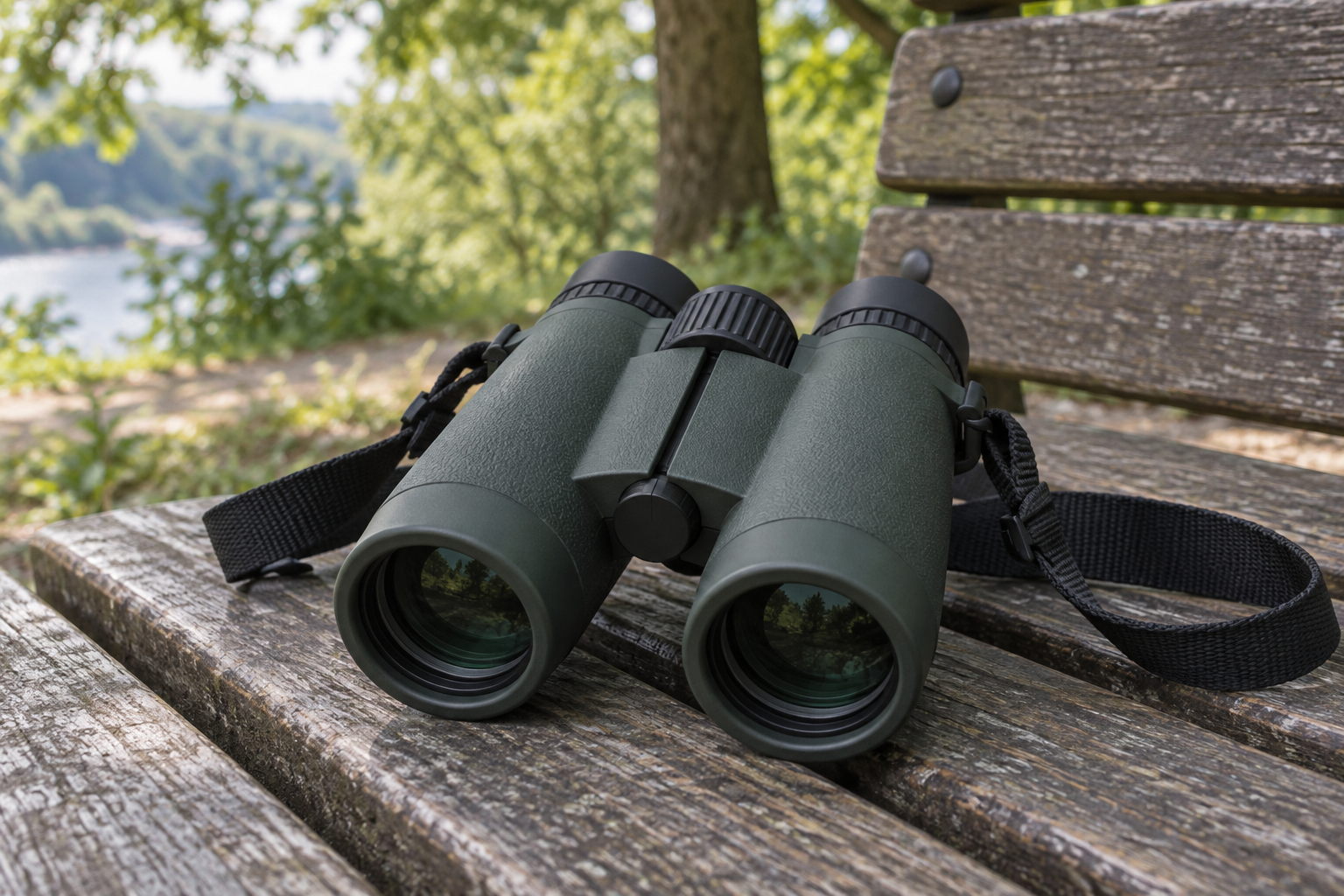
The event lists binoculars to borrow. Ask about availability on arrival and learn what you need from using them before shopping.
Will we see a particular species?
Wild birds do not follow an event schedule. Treat an unfamiliar behavior as a worthwhile discovery rather than judging the morning by one promised sighting.
Can I bring a dog or a very young child?
The society's bird-walk guidance excludes pets and small children and suggests young birdwatchers aged six or older. Choose another family outing if that does not fit your group.
Keep exploring
If the walk sparks interest in binoculars, use Try equipment before buying before choosing. Use Plan the whole hobby budget to include transport and repeat outings in the cost of a birding habit.
The next bird that crosses your usual path may no longer be simply “a bird.” It can be the start of a little description you are curious enough to finish.
Researched by Hobby-ist Editorial Team from the official sources on October 6, 2026; not a firsthand visit or review. The activities and conversation prompts suggested here are editorial proposals. Recheck current availability and terms with the organizer. Cover: AI-generated concept, not a photograph of the venue.
Sources & verification
Information checked: 2026-10-06