Gear & Picks
14mm vs 16mm Pickleball Paddles: Which Should a Beginner Choose?
Thickness can hint at feel, but it cannot choose a paddle for you. Compare the shots you miss, the shape you can handle and the cost of changing too soon.
By Hobby-ist Editorial Team · 4 min read · October 19, 2026
In this story
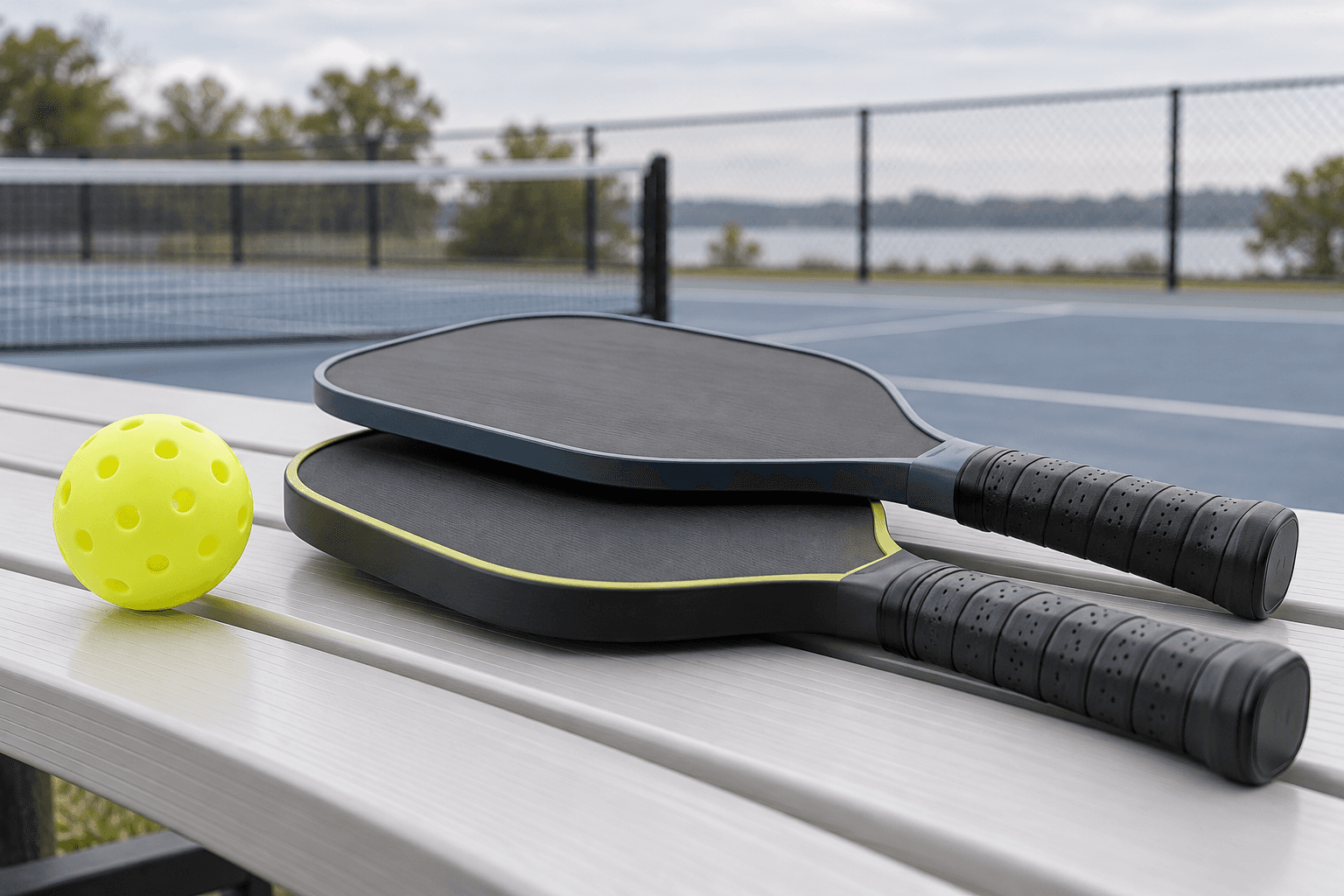
If you are a beginner choosing between otherwise similar 14mm and 16mm pickleball paddles, a control-oriented 16mm is a sensible starting point to try. That is a demo recommendation, not a rule that every thick paddle is easier or every thin one is powerful. The whole construction, shape, weight and balance can matter more than two millimeters.
The useful question is not which number is better. It is which paddle helps you repeat the kind of shot you are trying to learn. A paddle that produces a thrilling hard drive once may be less useful than one that lets you keep the next five ordinary balls in play. Use the comparison below to turn a specification into a decision you can explain.
What those two numbers tell you
The measurement refers to core thickness, not the size of the face or handle. ONIX’s 14mm/16mm explanation describes a common tendency toward a livelier response in thinner versions and a more damped, control-oriented feel in thicker versions. It also cautions that thickness does not automatically determine total weight. Treat the pattern as a starting hypothesis for a comparison, not a guarantee across unrelated brands.
Selkirk’s paddle selection guide discusses shape, weight, grip and materials alongside thickness and recommends trying paddles when possible. That is the most useful part of the shopping advice: several variables travel together. A different handle fit can alter your experience before the ball even reaches the face.
Do not compare a long, narrow 14mm paddle with a wide 16mm paddle and attribute every difference to thickness. For a cleaner comparison, start with two thicknesses from the same model family, with as similar a listed weight and handle as possible. Even that is an informed shopping comparison, not a controlled laboratory test.
Give the demo an ordinary job
Our suggested demo begins with easy, cooperative rallies rather than point-winning shots. Use the same partner, ball and court when you can. Try short controlled exchanges, deeper returns and a few transitions toward the net. Switch paddles, then repeat. Return to the first one once more so the later test does not win simply because you have warmed up.
Notice what happens to a routine ball. Does it travel farther than intended? Do you have to squeeze the handle to feel in control? Is the paddle arriving late when you change direction? Those observations are more useful than deciding which impact sound is more impressive. You need not count every shot, but remember one recurring miss with each option.
If the 16mm version makes soft placement easier and does not feel cumbersome, that is a good reason to favor it. If the 14mm version feels manageable and you prefer its response while keeping ordinary balls controlled, there is no need to reject it because an internet rule assigned it to advanced players. Your repeatable result is the point.
Check the grip and budget before upgrading
Hold the paddle as you would during a rally, not only in a store pose. Check whether the handle length and circumference suit your hand and any two-handed shot you use. Read actual listed weights and return or demo conditions. Ask whether the model is approved for any organized competition you intend to enter; do not assume a familiar brand makes every product eligible.
We would spend first on access to play and a comfortable, usable paddle, then upgrade when a repeated limitation becomes clear. An expensive paddle cannot tell you whether you enjoy the social rhythm of the game. Our Westchester first-pickleball story starts with that experience rather than a shopping list.
There is also a useful distinction between a bad session and a pattern. In our one-mistake chess review, the goal is to learn something specific instead of condemning the whole game. Apply the same restraint here: one rushed miss does not prove the equipment is wrong.
A decision you can explain in one sentence
Before buying, finish this sentence: “I chose this paddle because it helped me do ___ more consistently, and the handle and cost work for me.” If the only answer is a thickness number, keep comparing or borrow a suitable paddle for another session.
For most uncertain beginners, try the forgiving, control-oriented option first and use the livelier option as a comparison. Keep the one that makes the game more repeatable and enjoyable. The best specification is the one you can connect to what actually happens on your court.
Sources & verification
Information checked: 2026-10-19