
Curated by
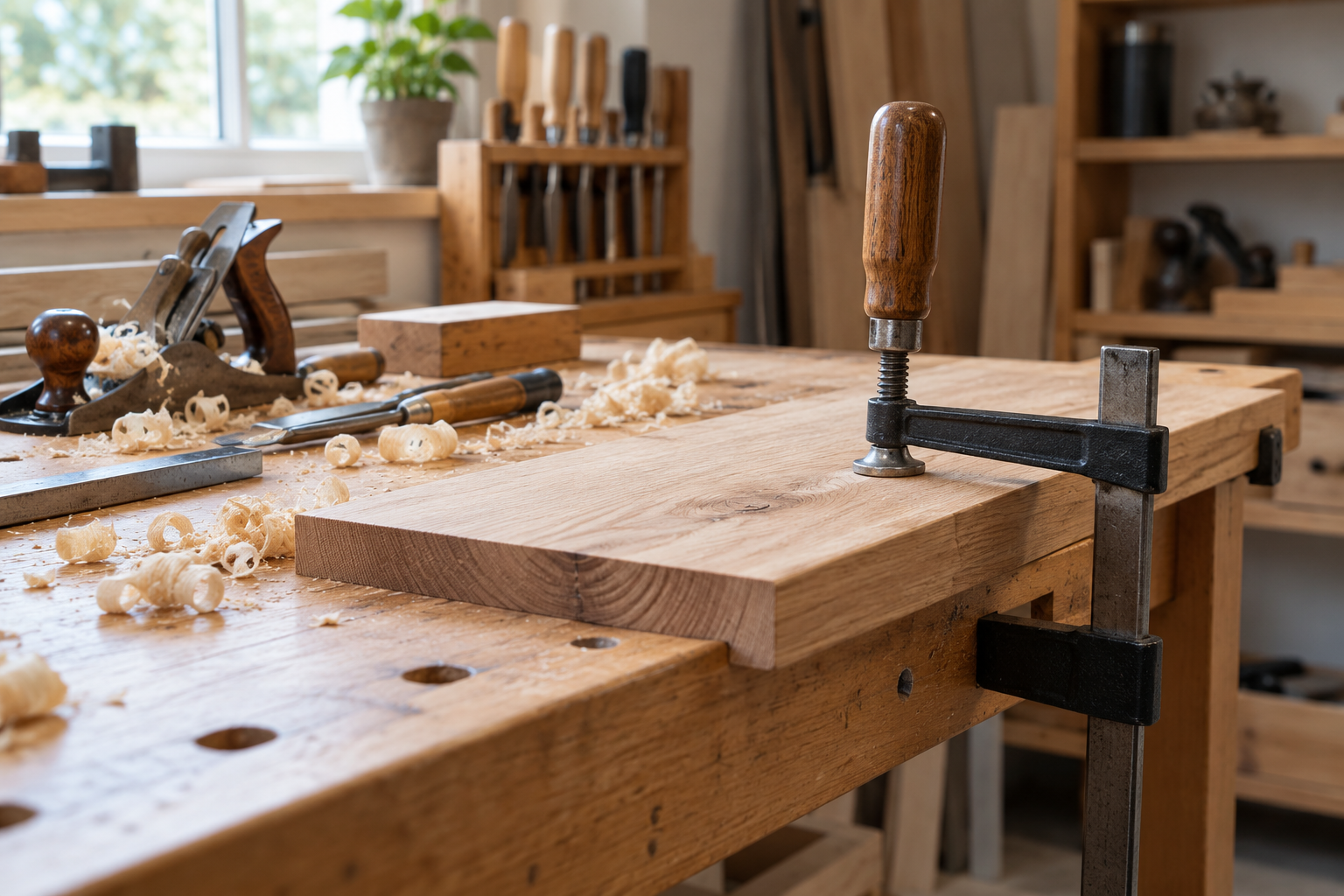
Hobby-ist Editorial TeamYou see the finished wooden object first. The grain, the edge, the part that makes you want to run a hand across it. What the photograph rarely shows is how many small decisions came before that surface.
A day in a woodshop puts those decisions back into the story. Measuring, preparing, choosing what comes next: the object is only one part of what you are trying.
Hobby-ist selected LA Woodshop’s introduction for people curious about that hidden day. Before imagining a workshop at home, it is worth finding out whether you enjoy the work between the raw material and the final photograph.
What the organizer lists
The introductory class is listed for Saturday or Sunday, 9 a.m.–4 p.m., at $275 including materials and tool use, with no prerequisites. The focus is milling rough lumber toward a finished project. Confirm the specific date and project with the organizer; a general class description is not a guarantee of availability.
Official class schedule & booking →
Ask why this step comes now
A useful question for the instructor is “What would become harder if we did this later?” It turns an instruction into a way of thinking about the whole project. Ask about the sequence while following the instructor’s directions, rather than experimenting with unfamiliar tools on your own.
At the end, consider which part held your attention: solving a measurement problem, seeing a surface change, or bringing several steps together. Your answer can help you choose a next project better than the size of the tool you most admired.
Who should consider it
This fits a beginner able to protect a full day and follow in-person instruction. It is less suitable if you only have a short afternoon or want a particular furniture design made to order. A home hand-tool project offers more flexible pacing; a supervised shop provides access to equipment without owning or storing it.
Practical commitments
The organizer advises against baggy clothing and open-toe shoes, and asks for tied-back long hair and no dangling jewelry. Changes within 48 hours can mean no refund or a $100 rescheduling fee; no-shows and day-of cancellations are not rescheduled. Read the exact current policy before paying.
What to learn beyond the object
Our suggested questions are about measurement, the order of operations and how the instructor decides a piece is ready for the next step. Do not treat a single lesson as authorization to use unfamiliar machinery independently. Our verdict: a useful trial of the shop environment before allocating money and home space to woodworking.
Choose the process before choosing the object
This introduction begins with preparing rough lumber. That makes it a different proposition from assembling a precut kit: part of the interest lies in understanding how usable material is made. Choose it if you are curious about the steps behind furniture, not only a finished item to put on a shelf. Ask about the current project before paying if a specific object is important to you.
The full-day commitment is also part of the comparison. A shorter craft workshop may be easier to fit into a first weekend; a continuing woodworking course may suit someone already ready to practice. The question is whether you want one day to test the working process or repeated sessions to build on it.
A checklist for the day before class
Set aside the whole scheduled day and check your route to Paloma Street. Prepare the organizer's requested clothing and ask how breaks, food and the finished project are handled. We have not confirmed project dimensions, so do not assume it will fit on a bicycle or in a small bag. Arrange your return around what the studio says you will carry.
What a first class can and cannot tell you
Should I buy power tools first?
No. Tool use and materials are included. Use the supervised day to understand the work and your interests before making an equipment purchase.
Does the class make me ready to use every saw alone?
One introduction is not a blanket qualification. Follow the instructor's procedures and ask what further supervised practice is appropriate.
How do I judge whether to continue?
Look beyond whether the object turned out well. Did measuring, preparation and deliberate repetition hold your interest? Those less photographic parts of the day are a better clue to whether you want woodworking in your ordinary week.
Keep exploring
If the shop experience encourages a purchase, apply Try equipment before buying before choosing large tools. Include storage, materials and repeated access fees in Plan the whole hobby budget.
Look at a wooden object at home afterward. You may have a new question about an edge or a joint that used to be invisible to you. Learning to see the work in ordinary things is a souvenir you do not need shelf space for.
Researched by Hobby-ist Editorial Team from the official sources on October 6, 2026; not a firsthand visit or review. The activities and conversation prompts suggested here are editorial proposals. Recheck current availability and terms with the organizer. Cover: AI-generated concept, not a photograph of the venue.
Sources & verification
Information checked: 2026-10-06