
Curated by
Hobby-ist Editorial TeamDinner is often a problem to solve before the evening can begin. A cooking class offers a different possibility: dinner becomes the evening. Instead of trying to finish as quickly as possible, you spend time noticing how a piece of dough changes under your hands.
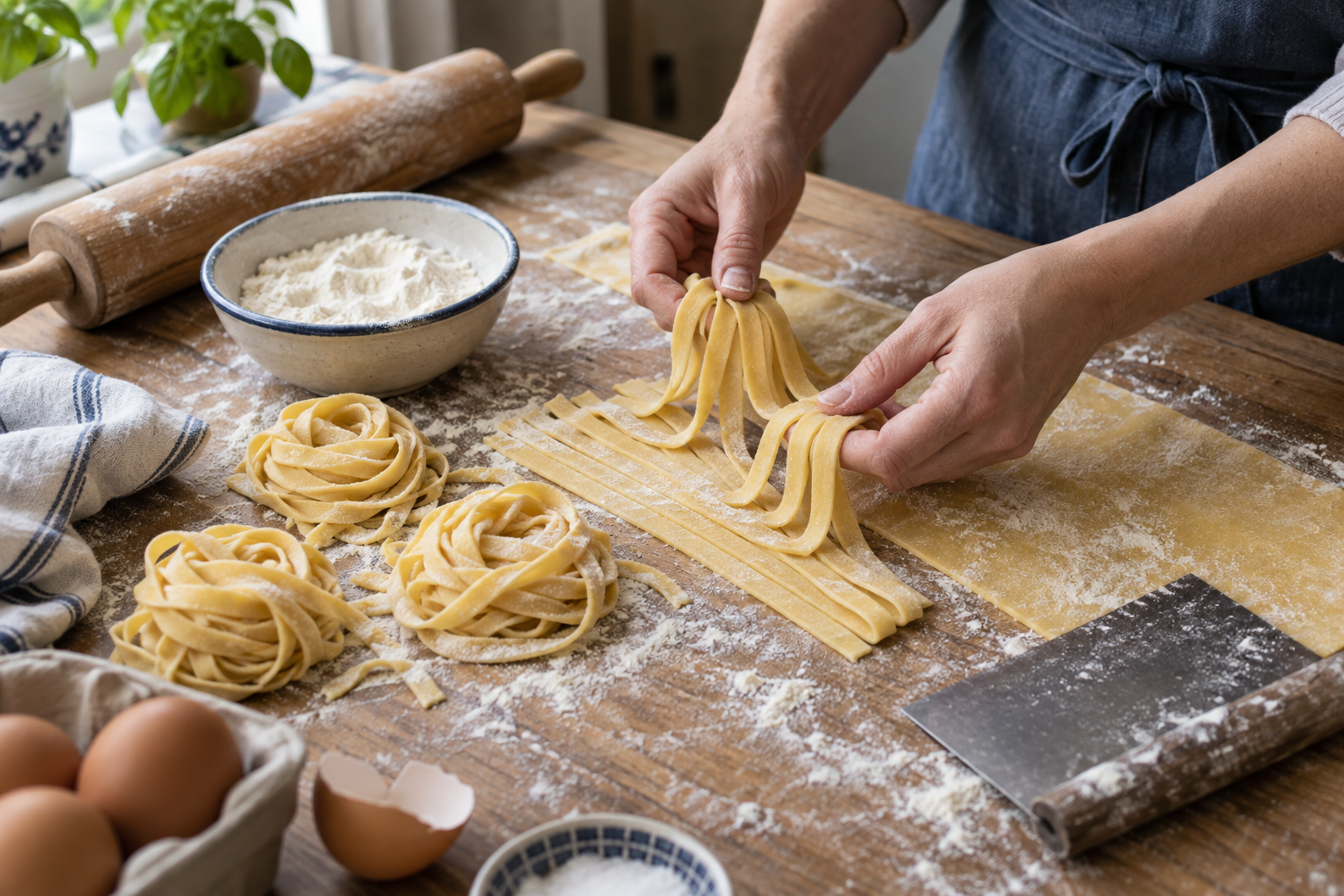
Fresh pasta is an appealing subject for that experiment because there is something concrete to pay attention to. You can watch a sheet become thinner, compare the shapes you cut, and ask questions while the material is in front of you. The useful souvenir may be a detail you remember the next time you cook, rather than another object to bring home.
One option listed on Viator is Best Italian Pasta Class in Los Angeles (Includes 3-Course Meal), supplied by Cozymeal Cooking Classes. The name is the platform’s product title, not our claim that it is the best class in LA. Here is how to decide whether its format matches the evening you want.
What the listing includes
At the time of review, the page described an approximately 2½-hour, English-language class, limited to eight guests, with a three-course meal. The main activity is making spaghetti and fettuccine. The appetizer and dessert are prepared by the chef.
That distinction matters. A three-course meal does not mean three separate courses you will cook entirely yourself. The sample menu also distinguishes sauces demonstrated by the chef from sauces made hands-on. Ask which pasta and sauces your session will cover if there is one technique you particularly want to learn.
The displayed starting price was US$159 per person. Treat that as a dated reference, not a quote for your chosen session. The selected date, number of guests, available options, and final checkout determine what you would actually pay.
Check this pasta class on Viator
Choose the experience you want, not just the menu
This format is worth considering if you want an activity that leads into a meal, enjoy asking questions in a small group, and are curious about making pasta yourself. It can give two friends something to do together beyond choosing another restaurant.
It may be a less suitable choice if you want a private lesson, a fast meal, or a class dedicated to preparing every course from start to finish. A small group still means sharing the instructor’s attention. Before booking, ask whether participants work individually, in pairs, or at shared stations; the public listing does not settle that detail.
Consider what you want to bring back to your own kitchen. Learning to recognize a workable dough texture is a different goal from collecting several finished recipes. Neither is better, but naming your goal helps you ask useful questions before you pay.
Three things to confirm before reserving
Dietary requirements. The listing invites advance notice and says the team will try to accommodate different needs. That is not a guarantee that a particular allergy or dietary restriction can be accommodated. Describe your requirements directly and get a clear answer before booking. A vegetable sauce alone does not establish that the whole meal is suitable for your diet.
The address and arrival instructions. The current meeting location is in the Park La Brea area. Use the precise address and access instructions supplied with your booking, and check parking or your transit route separately. An intimate venue may require more specific arrival instructions than a storefront cooking school. We have not verified parking availability.
The exact booking terms. The listing currently offers a full refund for cancellation at least 24 hours before the experience, using the stated local-time cutoff. Confirm that policy against the option you select. Also check the final total and whether any extras you want are included. The listing permits guests to bring wine or beer, but that should not be read as drinks being provided.
Bring one question into the kitchen
You do not need to turn a leisure activity into an exam. One question is enough to give your attention a place to land.
Perhaps you want to know how the chef decides that dough is ready for the next stage. Perhaps you always struggle with timing the sauce and pasta together. Or perhaps you want to know which parts of the process can be repeated with equipment you already own.
Ask while the relevant step is happening, and write down a short answer afterward if the setting allows. “What should I look or feel for here?” is often a more useful question than “How many minutes does this always take?” It invites the instructor to explain a judgment you can watch them make.
This is our suggested way to approach the session, not a promise about the instructor’s teaching style or the precise lesson plan.
Give the hobby a small second evening
After the class, resist turning enthusiasm into a complete kitchen shopping list. Ask what you would need to repeat one part of the lesson, whether written instructions are provided, and whether a simpler version suits your current setup.
Then choose a modest second attempt. Leave time for cleanup as well as cooking, and keep the rest of the meal uncomplicated. A repeatable evening tells you more about whether you like the hobby than a cupboard full of equipment bought before your first practice.
Our guide to finding a hobby you enjoy uses the same approach: a small experiment, followed by a decision about whether you want to return.
The class does not have to turn you into a pasta expert to be a worthwhile introduction. A more useful question is whether, after the meal is finished, you find yourself wanting another evening with the dough.
Booking note: Check the current menu, availability, dietary arrangements, meeting instructions, and cancellation terms on the linked listing before reserving. HOBBY-IST has reviewed the published information, not tested the experience in person.
Sources & verification
Information checked: 2026-09-27